


News
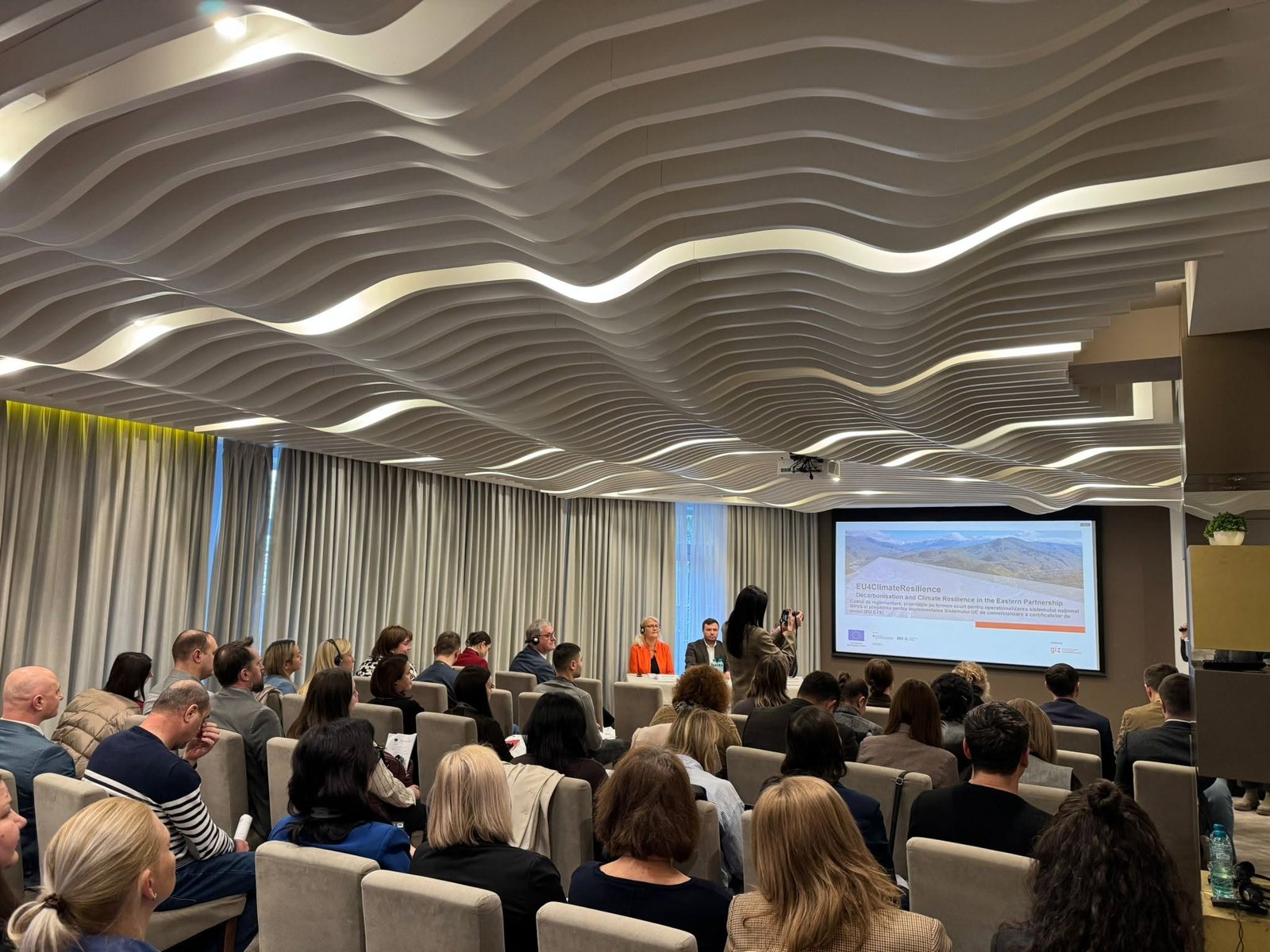
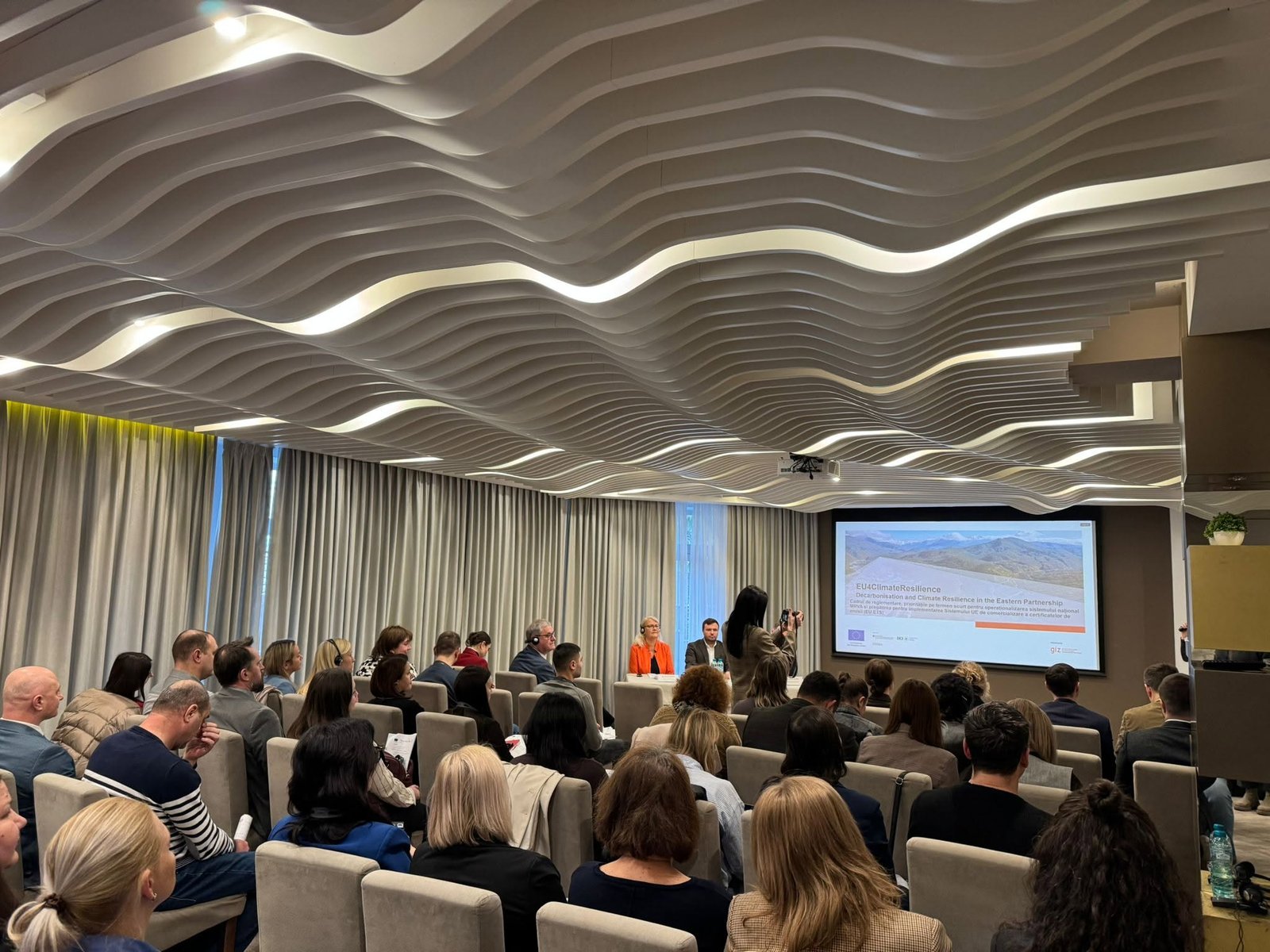
Strategic Dialogue on Strengthening the National MRVA System and Preparing the Republic of Moldova for Carbon Pricing Mechanisms in the Context of Alignment with the EU Acquis
Representatives of public authorities, the business community, and development partners gathered today for a strategic dialogue dedicated to carbon pricing instruments and the consolidation of the national Measurement, Reporting, Verification and Accreditation (MRVA) system in the Republic of Moldova.
The event took place in the context of the country’s alignment with the EU acquis in the fields of climate, energy, and the environment, where carbon pricing instruments—including a carbon tax and emissions trading systems (ETS)—are becoming increasingly relevant for the transition towards a low-carbon economy.
During the opening session, it was emphasised that aligning climate policies and market-based instruments with EU standards and practices reflects the country’s firm commitment to European integration and economic modernisation.
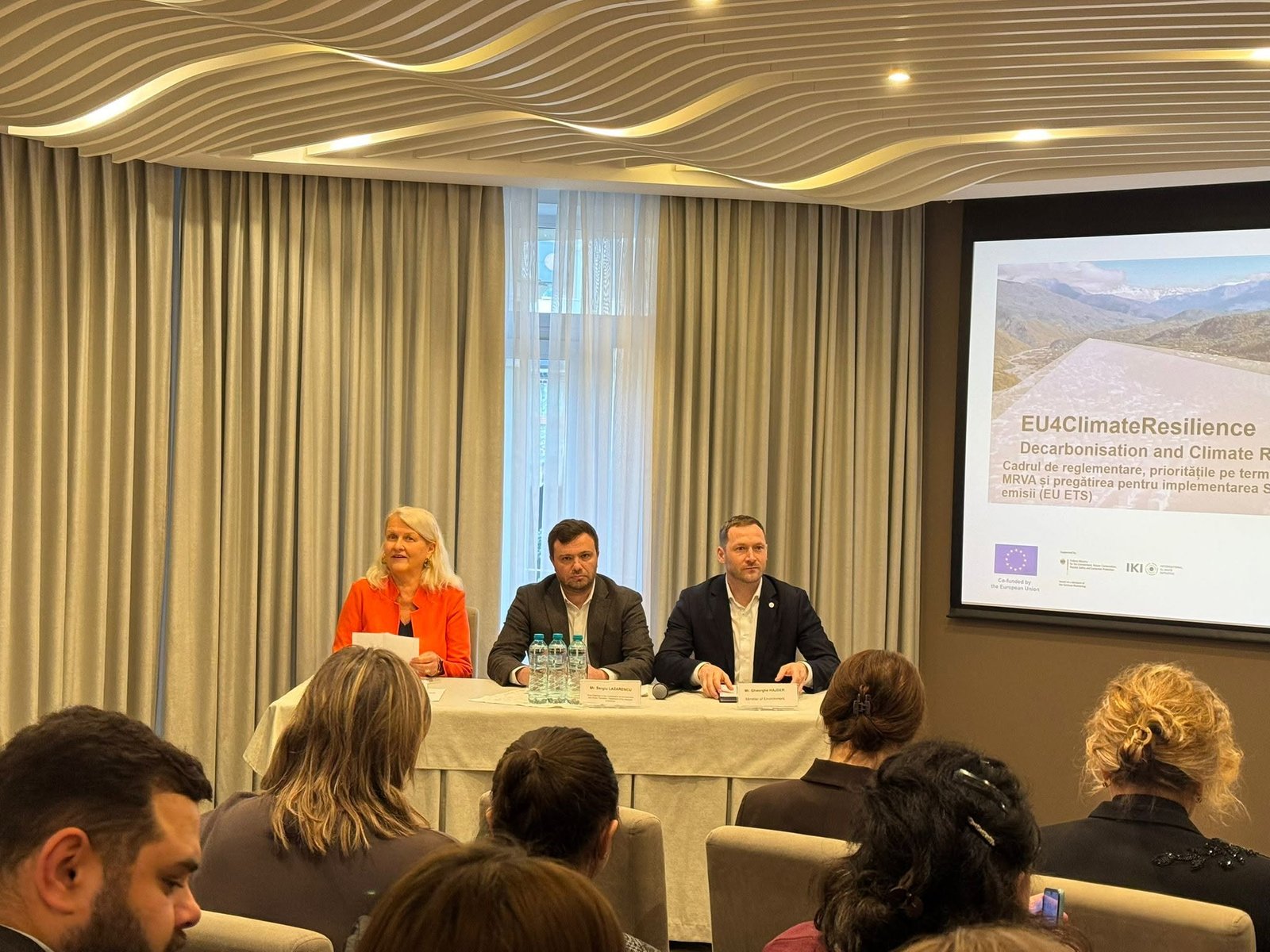
Ms Claudia Hermes, Country Director, stated:
“Carbon pricing is one of the central pillars of European climate policy, demonstrating that emissions reductions can be achieved in a cost-effective manner while stimulating innovation, modernisation, and investment in low-carbon technologies. For companies in the Republic of Moldova, this transition brings both challenges and clear opportunities—strong signals for modernisation, increased competitiveness, and improved access to European markets.”
A central topic of discussion was the strengthening of the national MRVA system, which is considered the foundation for introducing carbon pricing mechanisms and, subsequently, an emissions trading system. This process requires strategic planning, legislative adjustments, and capacity building for all relevant institutions and economic operators.
According to the Reform and Growth Plan for 2025–2027, legislative adjustments will continue throughout 2026, with the objective of ensuring the full operationalisation of the MRVA system starting in 2027.
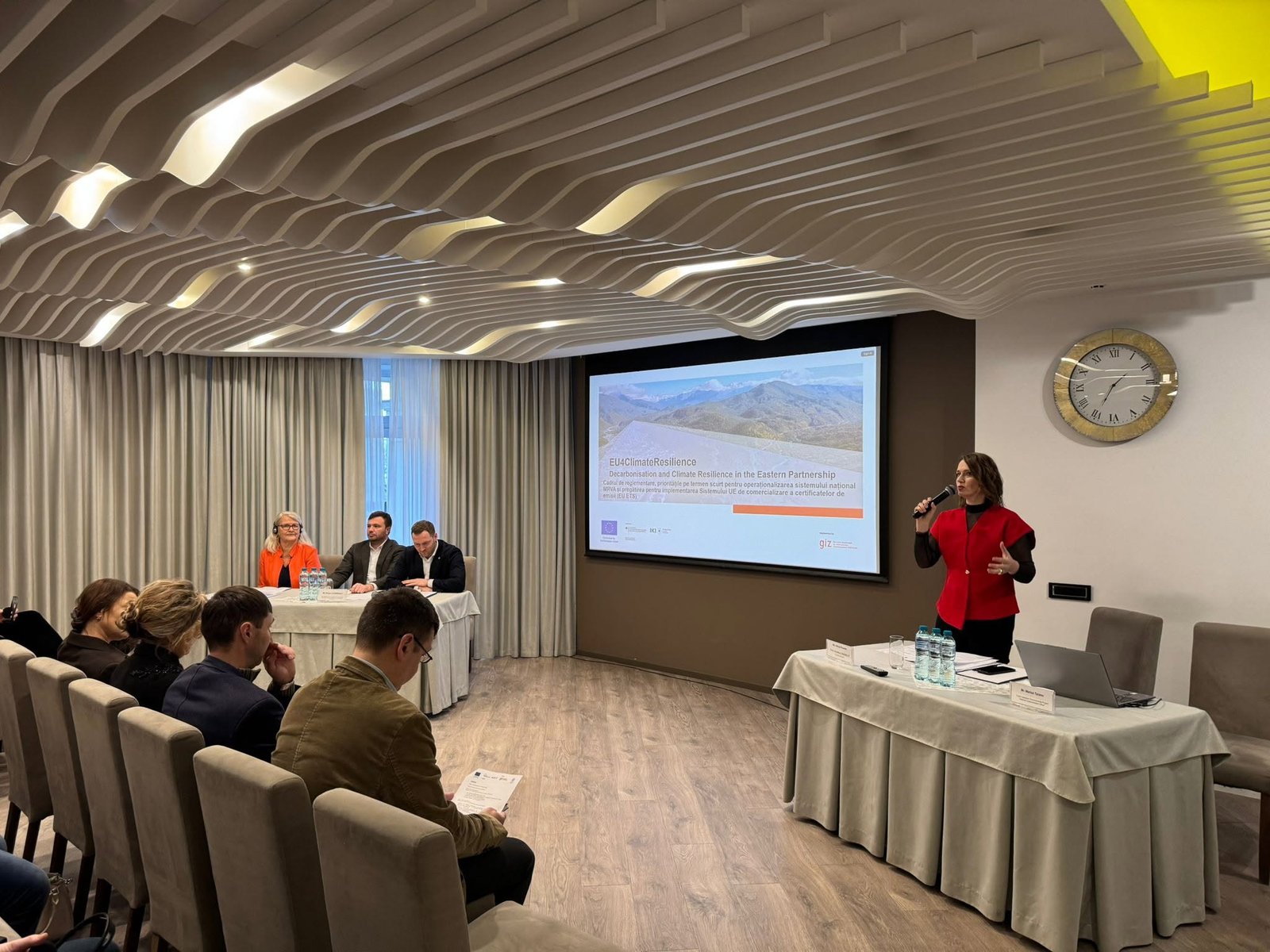
The strategic dialogue focused not only on presenting regulatory developments, but also on fostering open discussions, identifying private-sector concerns, clarifying expectations, and outlining practical steps to ensure a predictable and fair transition process.
During the meeting, authorities and development partners reaffirmed their commitment to supporting this transition through technical expertise, knowledge exchange, and the creation of dialogue platforms between policymakers and the private sector.
Other news
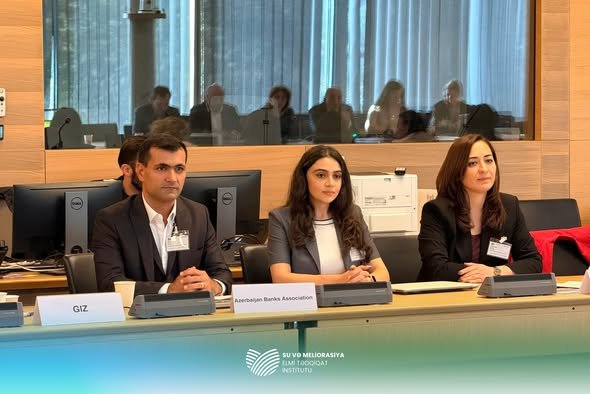
Azerbaijani Experts Join International Discussions on Agricultural Insurance and Climate Adaptation in Paris
On 5–6 October 2026, representatives of Azerbaijan’s Water and Melioration Scientific Research Institute, Gunay Abbasova and Narmin Seyidova, participated in an international event on “Agricultural Insurance and Climate Adaptation” held in Paris, France. Their participation took place within the framework of the EU4ClimateResilience. The event brought together discussions on Nationally Determin

EU4ClimateResilience Presented Assessment of Climate Change Impacts on Pasture-Based Livestock Farming in Ukraine
On 25 September, EU4ClimateResilience presented the results of its work on assessing climate risks and vulnerabilities in Ukraine’s agricultural sector, with a particular focus on the future impacts of climate change on pasture-based livestock farming. During the webinar, Liudmyla Palamarchuk, Senior Researcher at the Atmospheric Physics Department of the Ukrainian Hydrometeorological Institut
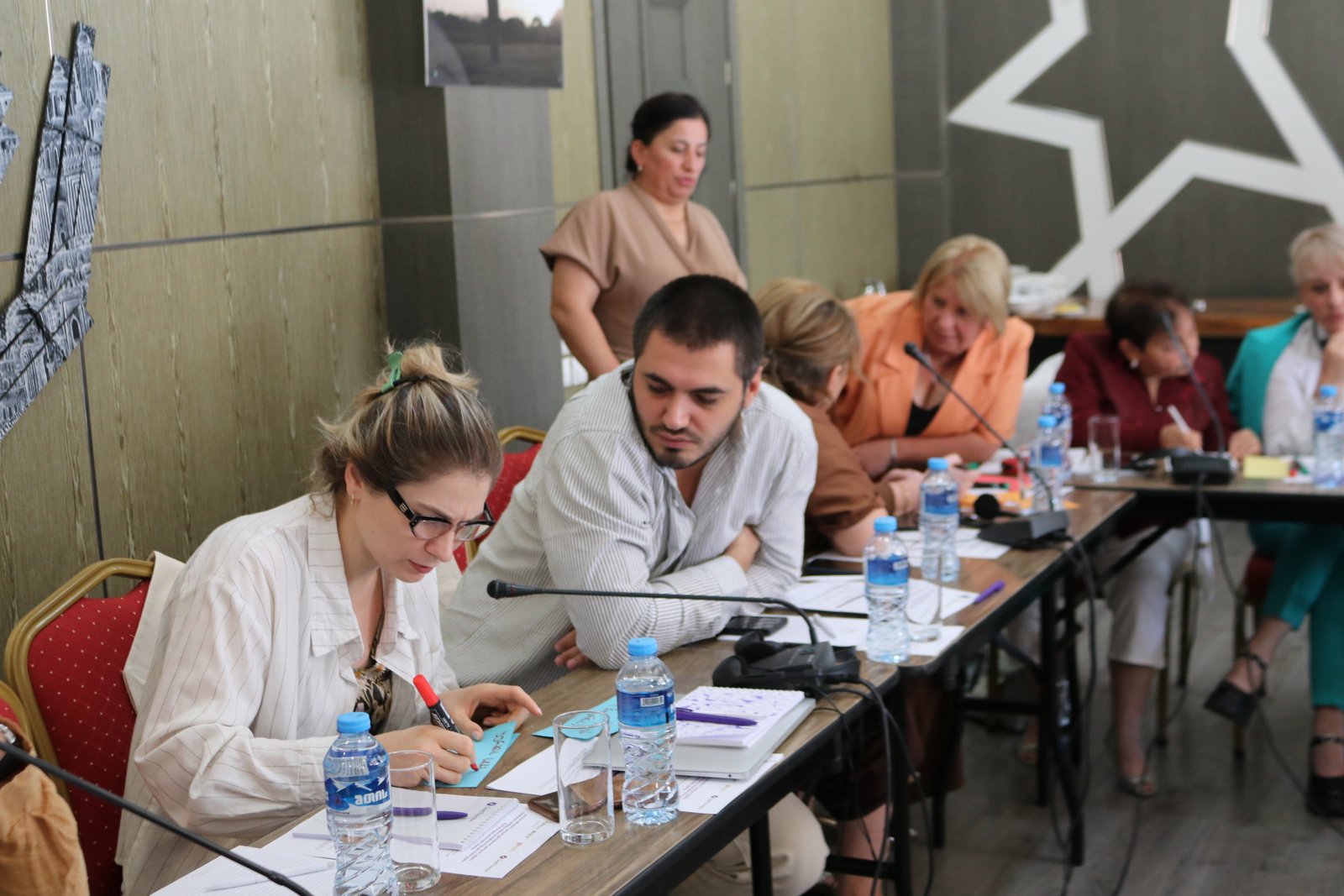
Empowering Local Actors to Advance Climate Resilience Across Georgia
Climate resilience starts locally with people who understand the challenges in their communities and have the knowledge and tools to turn those challenges into action. A two-day capacity-building workshop was recently held in Kachreti, Kakheti, under the EU4ClimateResilience project, bringing together representatives and local stakeholders from Tbilisi, Gori, Marneuli, Dedoplistskaro and Kvare
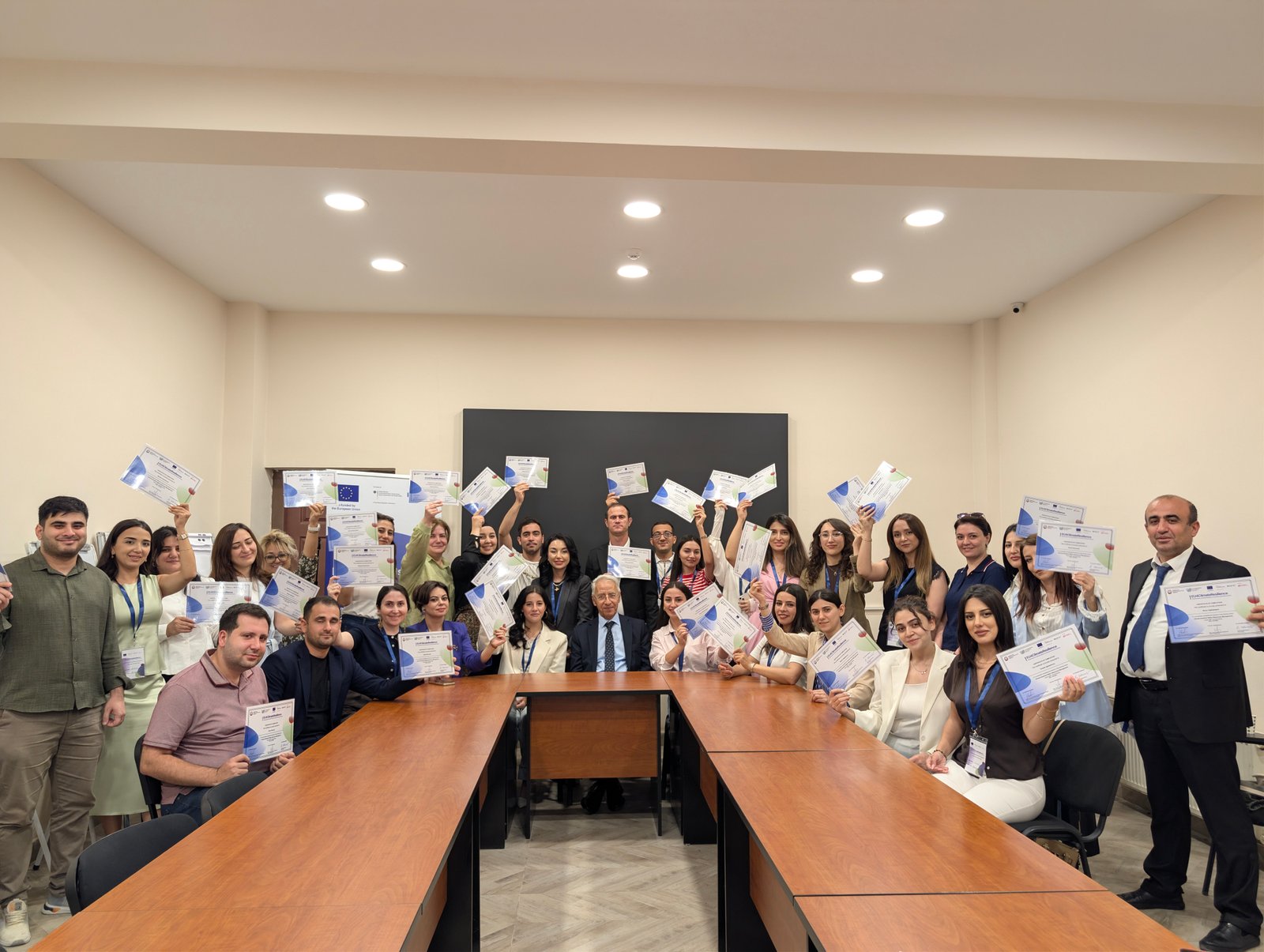
Strengthening Capacities for Climate-Resilient Water Resources Management in Azerbaijan
A four-day Capacity-Building Programme on Climate-Resilient Water Resources Management was held in Baku from 8 to 11 September 2026 under the EU4ClimateResilience project, in cooperation with the Water and Amelioration Scientific Research Institute (WASRI) under the Azerbaijan State Water Resources Agency (ASWRA). The programme brought together water sector professionals nominated by the Water
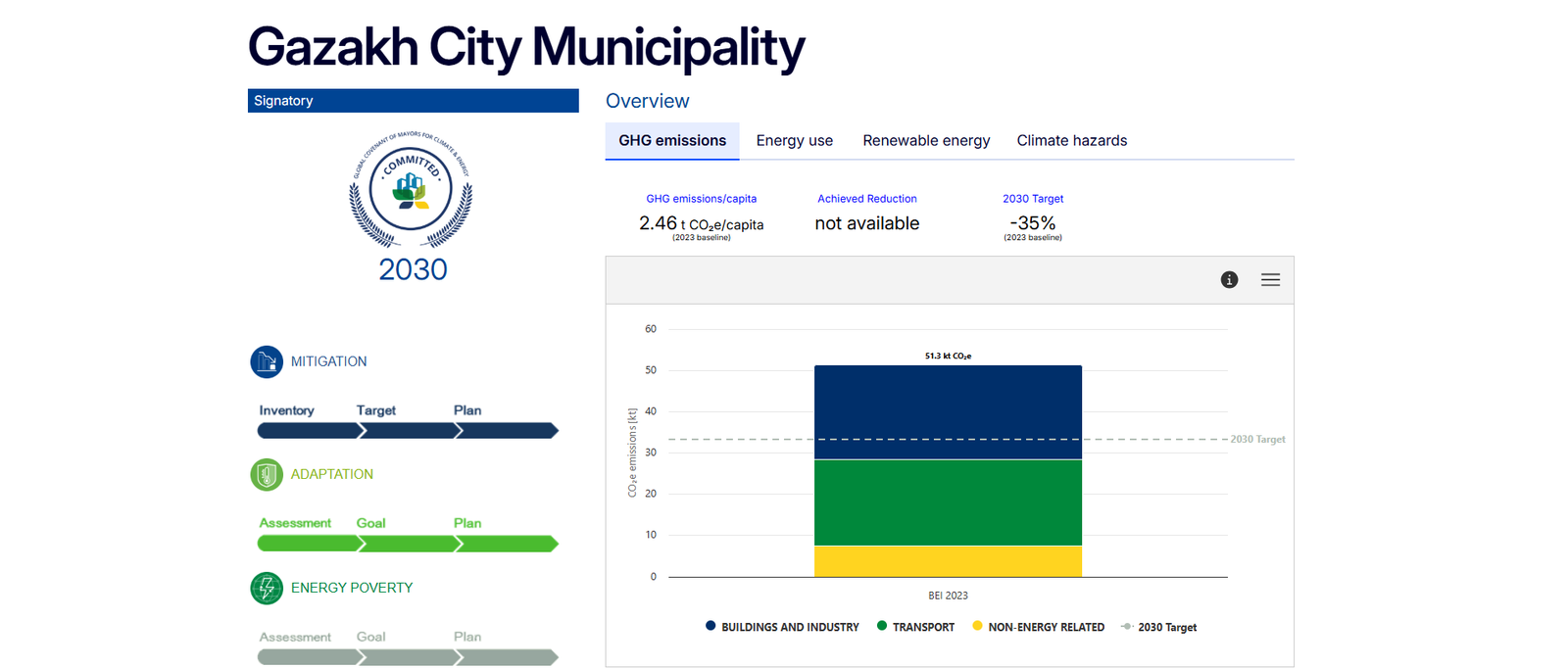
EU4ClimateResilience Supports Gazakh’s Climate Action
The Sustainable Energy and Climate Action Plan (SECAP) for Gazakh City Municipality, developed with support from the EU4ClimateResilience project, has been officially approved and successfully submitted to the EU Covenant of Mayors for Climate and Energy platform. The SECAP was subsequently accepted by the Covenant of Mayors Office, marking an important milestone in strengthening local climate
Implementing Partners:
Deutsche Gesellschaft für Internationale Zusammenarbeit (GIZ) GmbH and the Organisation for Economic Cooperation and Development (OECD)