


News
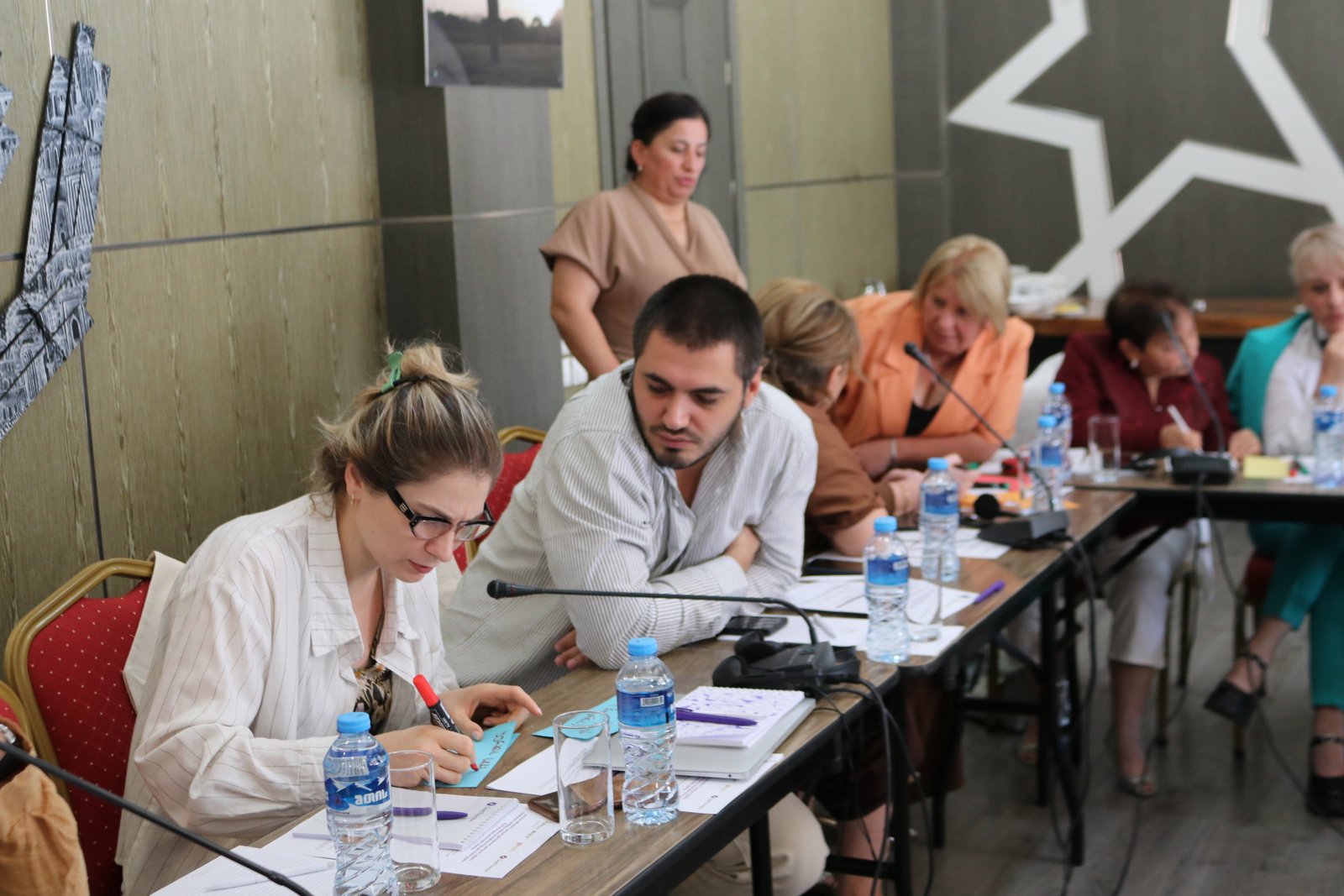
Empowering Local Actors to Advance Climate Resilience Across Georgia
Climate resilience starts locally with people who understand the challenges in their communities and have the knowledge and tools to turn those challenges into action.
A two-day capacity-building workshop was recently held in Kachreti, Kakheti, under the EU4ClimateResilience project, bringing together representatives and local stakeholders from Tbilisi, Gori, Marneuli, Dedoplistskaro and Kvareli. The workshop was the third and last in a series of regional trainings designed to strengthen local capacities for climate action and resilience across Georgia.
Despite the different geographic, economic and social contexts represented in the room, participants shared a common challenge: climate change is already affecting communities, infrastructure, livelihoods and local development, making informed and locally relevant adaptation increasingly important.
The training combined practical learning with interactive exercises, allowing participants to move beyond the theory of climate change and explore how climate risks can be identified, assessed and addressed at the local level. Discussions covered climate change adaptation, vulnerability and risk assessment, nature-based solutions, sustainable practices and the integration of climate considerations into local planning and decision-making.

A strong emphasis was placed on learning through participation. Group work, practical examples and discussions encouraged participants to examine climate challenges from the perspective of their own municipalities, identify areas of vulnerability and consider possible responses. Sharing experiences across municipalities also highlighted how different regions can learn from one another and adapt successful approaches to their own local circumstances.
Nature-based solutions were among the topics explored during the workshop, with participants considering how approaches that work with natural systems can contribute to climate resilience while also generating environmental and social benefits. The discussions helped connect broader climate adaptation concepts with the realities faced by communities across Georgia.
The diversity of participants added another important dimension to the training. Bringing together people working in different municipalities created an opportunity to compare local experiences, identify common challenges and discuss how cooperation between local actors can support more effective climate action.

The workshop demonstrated that building climate resilience is not only about understanding future risks. It is also about strengthening the capacity of people and institutions to recognise challenges today, work together and develop solutions that reflect local needs.
The Kachreti training is part of the wider series of regional capacity-building activities organised under the EU4ClimateResilience project across Georgia. By creating spaces for practical learning, knowledge exchange and collaboration, the initiative was designed to support local actors in turning climate awareness into concrete action and helping communities prepare for a more resilient future.
Other news
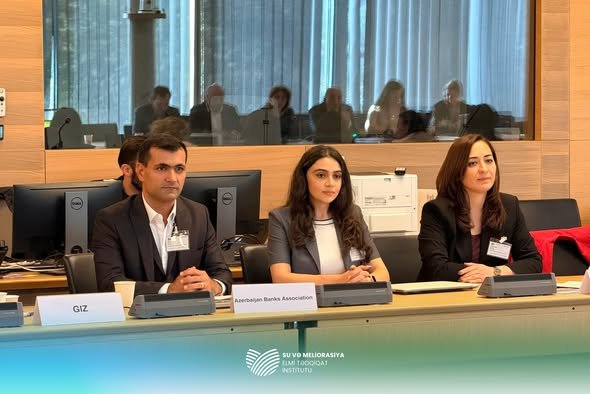
Azerbaijani Experts Join International Discussions on Agricultural Insurance and Climate Adaptation in Paris
On 5–6 October 2026, representatives of Azerbaijan’s Water and Melioration Scientific Research Institute, Gunay Abbasova and Narmin Seyidova, participated in an international event on “Agricultural Insurance and Climate Adaptation” held in Paris, France. Their participation took place within the framework of the EU4ClimateResilience. The event brought together discussions on Nationally Determin

EU4ClimateResilience Presented Assessment of Climate Change Impacts on Pasture-Based Livestock Farming in Ukraine
On 25 September, EU4ClimateResilience presented the results of its work on assessing climate risks and vulnerabilities in Ukraine’s agricultural sector, with a particular focus on the future impacts of climate change on pasture-based livestock farming. During the webinar, Liudmyla Palamarchuk, Senior Researcher at the Atmospheric Physics Department of the Ukrainian Hydrometeorological Institut
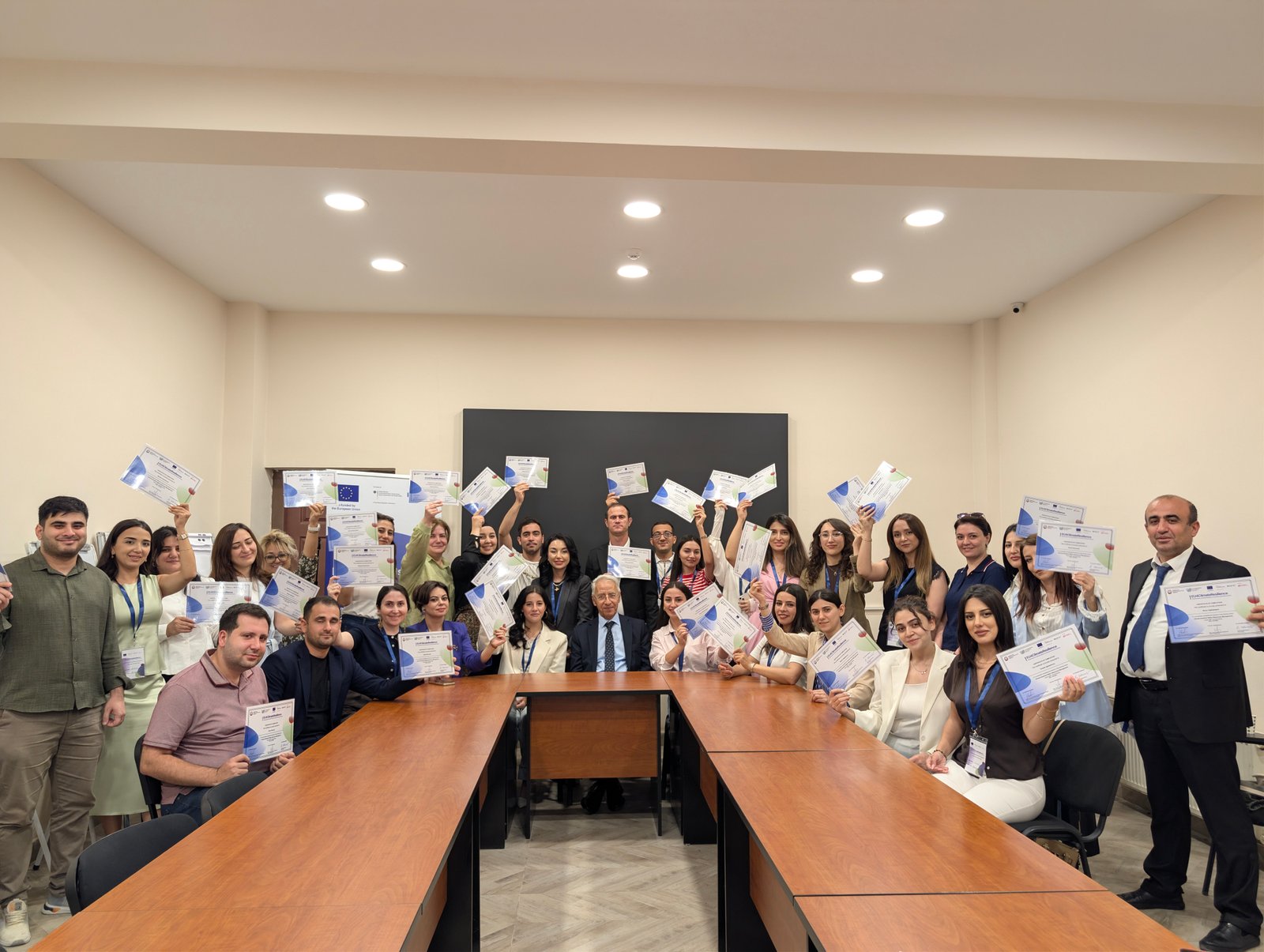
Strengthening Capacities for Climate-Resilient Water Resources Management in Azerbaijan
A four-day Capacity-Building Programme on Climate-Resilient Water Resources Management was held in Baku from 8 to 11 September 2026 under the EU4ClimateResilience project, in cooperation with the Water and Amelioration Scientific Research Institute (WASRI) under the Azerbaijan State Water Resources Agency (ASWRA). The programme brought together water sector professionals nominated by the Water
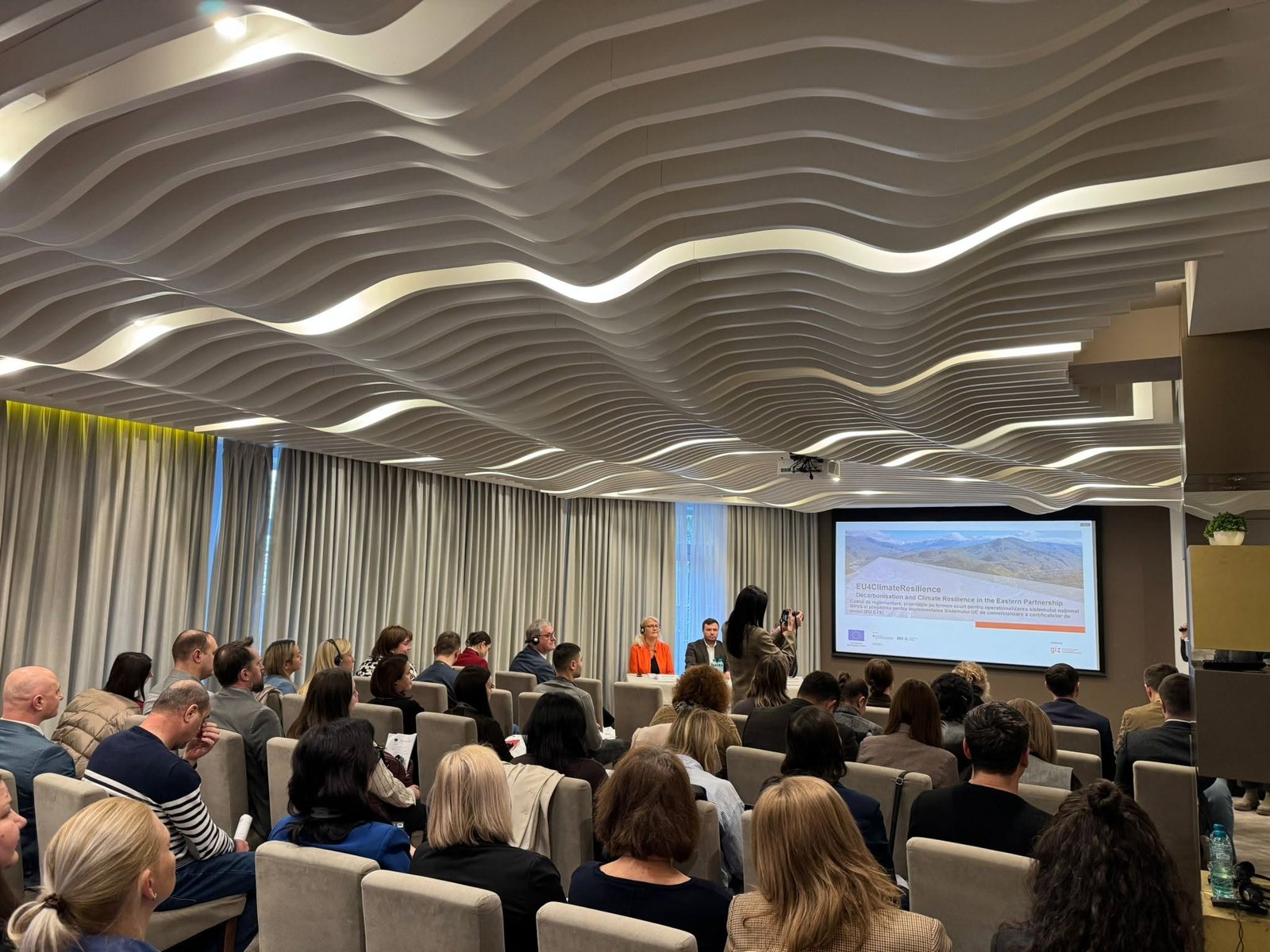
Strategic Dialogue on Strengthening the National MRVA System and Preparing the Republic of Moldova for Carbon Pricing Mechanisms in the Context of Alignment with the EU Acquis
Representatives of public authorities, the business community, and development partners gathered today for a strategic dialogue dedicated to carbon pricing instruments and the consolidation of the national Measurement, Reporting, Verification and Accreditation (MRVA) system in the Republic of Moldova. The event took place in the context of the country’s alignment with the EU acquis in the field
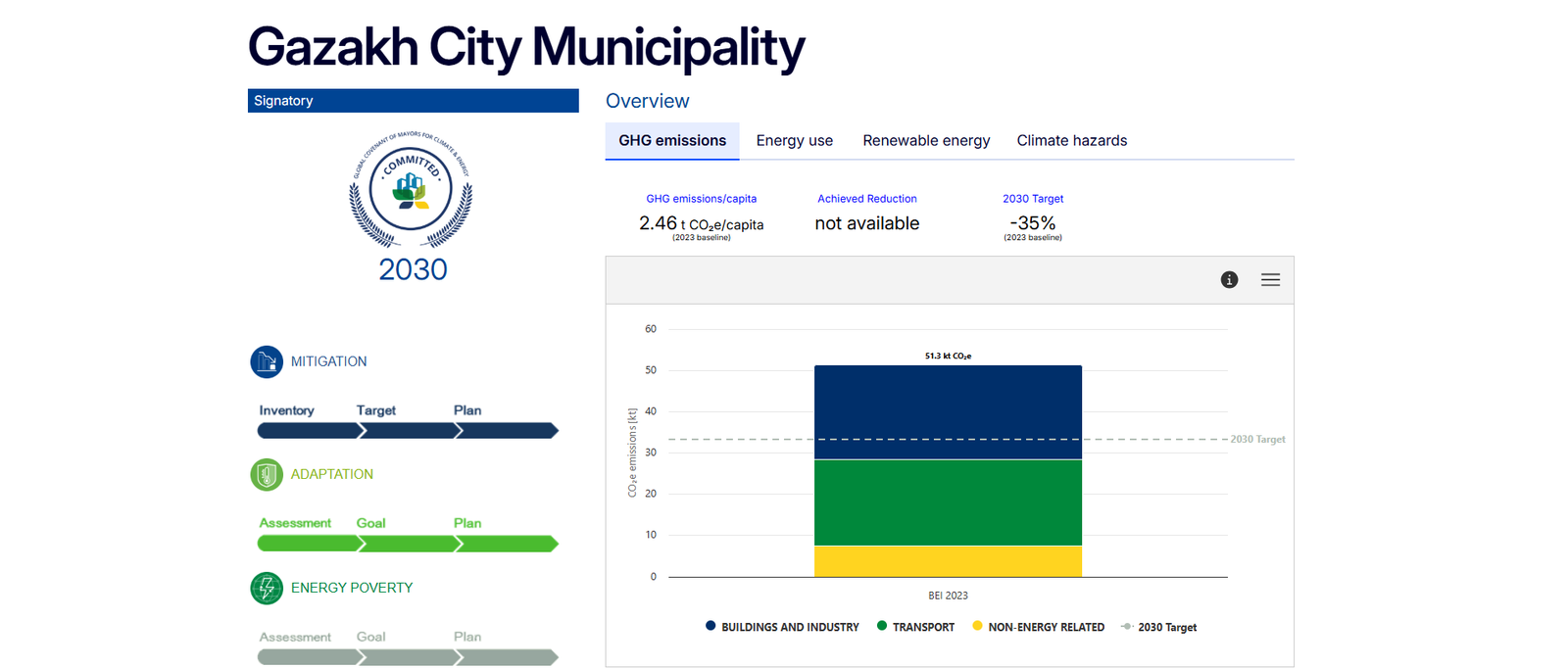
EU4ClimateResilience Supports Gazakh’s Climate Action
The Sustainable Energy and Climate Action Plan (SECAP) for Gazakh City Municipality, developed with support from the EU4ClimateResilience project, has been officially approved and successfully submitted to the EU Covenant of Mayors for Climate and Energy platform. The SECAP was subsequently accepted by the Covenant of Mayors Office, marking an important milestone in strengthening local climate
Implementing Partners:
Deutsche Gesellschaft für Internationale Zusammenarbeit (GIZ) GmbH and the Organisation for Economic Cooperation and Development (OECD)