


News
Strengthening Local Climate Leadership In Western Georgia
Local challenges require local solutions and that starts with people who have the knowledge and tools to act.
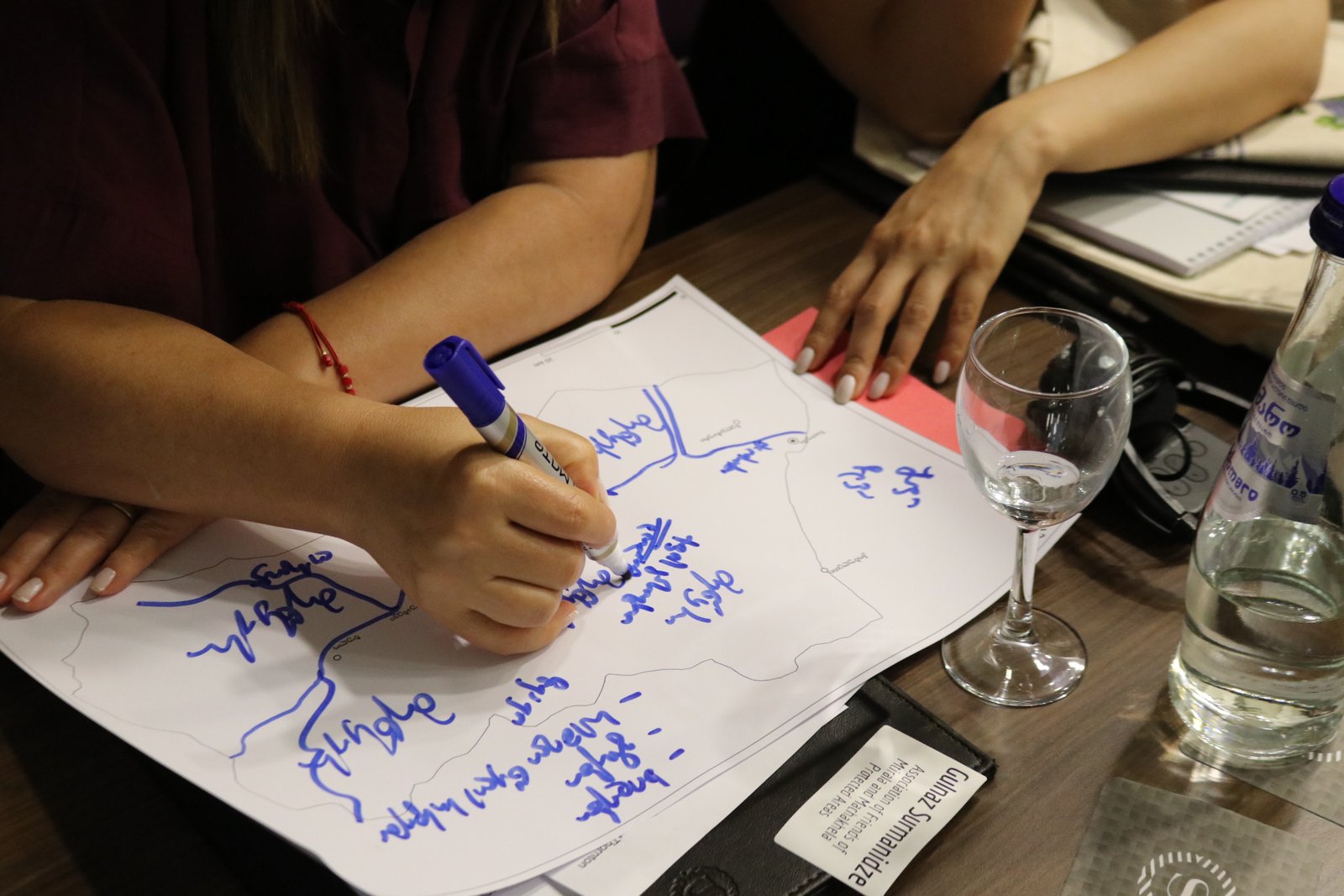
Representatives of civil society organisations and regional stakeholders from the Adjara and Guria regions gathered in Batumi for a two-day capacity-building training organised under the EU4ClimateResilience project. The workshop focused on strengthening local capacities to better understand climate risks and integrate adaptation measures into planning and decision-making.
Although Adjara and Guria differ in geography and development priorities, both regions are increasingly exposed to the impacts of climate change. More frequent floods, landslides, coastal erosion, heatwaves and changing precipitation patterns are already affecting communities, infrastructure and local economies. Addressing these challenges requires coordinated action, informed planning and stronger cooperation between institutions and local actors.
Throughout the training, participants explored the fundamentals of climate change adaptation and vulnerability assessment while gaining practical knowledge on how climate risks can be incorporated into local development processes. Particular attention was given to nature-based solutions, climate-resilient infrastructure, and approaches that help communities prepare for future climate impacts while delivering environmental and social benefits.

Rather than relying solely on presentations, the workshop encouraged active participation through group exercises, discussions and case studies based on real-life examples. Working together, participants identified climate risks facing their own municipalities, discussed possible adaptation measures, and exchanged experiences with colleagues from neighbouring regions. These collaborative sessions demonstrated that many local challenges are shared and can benefit from joint learning and regional cooperation.
Building local capacity remains one of the cornerstones of the EU4ClimateResilience project. Equipping local stakeholders with practical knowledge and fostering collaboration enables communities to move from understanding climate risks to implementing concrete adaptation measures that improve resilience on the ground.
The Batumi workshop forms part of a broader series of regional capacity-building activities implemented across Georgia under the EU4ClimateResilience. By investing in local expertise and encouraging peer-to-peer exchange, the project supports communities in developing practical, locally owned solutions that contribute to a more climate-resilient future.

Other news
Azerbaijani Experts Join International Discussions on Agricultural Insurance and Climate Adaptation in Paris
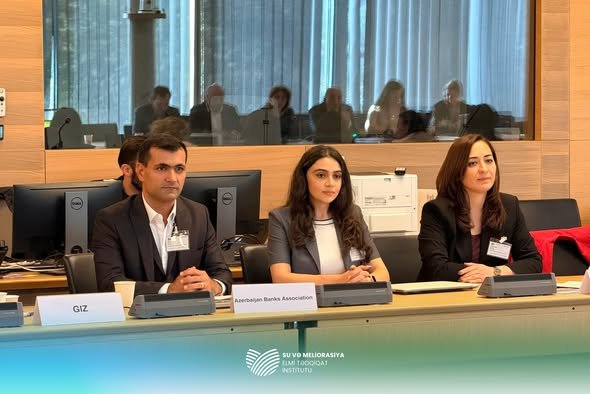
On 5–6 October 2026, representatives of Azerbaijan’s Water and Melioration Scientific Research Institute, Gunay Abbasova and Narmin Seyidova, participated in an international event on “Agricultural Insurance and Climate Adaptation” held in Paris, France. Their participation took place within the framework of the EU4ClimateResilience. The event brought together discussions on Nationally Determin

EU4ClimateResilience Presented Assessment of Climate Change Impacts on Pasture-Based Livestock Farming in Ukraine
On 25 September, EU4ClimateResilience presented the results of its work on assessing climate risks and vulnerabilities in Ukraine’s agricultural sector, with a particular focus on the future impacts of climate change on pasture-based livestock farming. During the webinar, Liudmyla Palamarchuk, Senior Researcher at the Atmospheric Physics Department of the Ukrainian Hydrometeorological Institut
Empowering Local Actors to Advance Climate Resilience Across Georgia
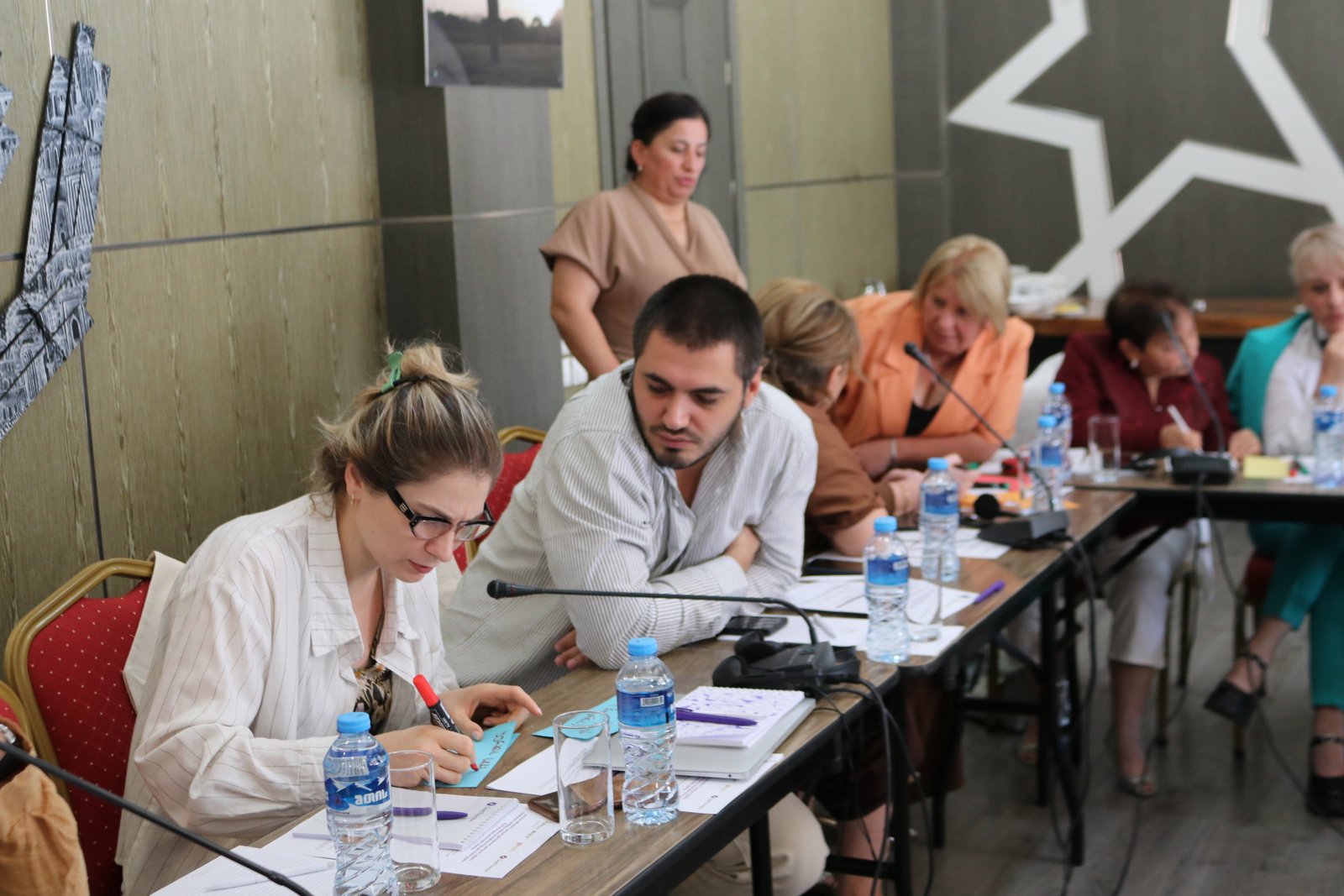
Climate resilience starts locally with people who understand the challenges in their communities and have the knowledge and tools to turn those challenges into action. A two-day capacity-building workshop was recently held in Kachreti, Kakheti, under the EU4ClimateResilience project, bringing together representatives and local stakeholders from Tbilisi, Gori, Marneuli, Dedoplistskaro and Kvare
Strengthening Capacities for Climate-Resilient Water Resources Management in Azerbaijan
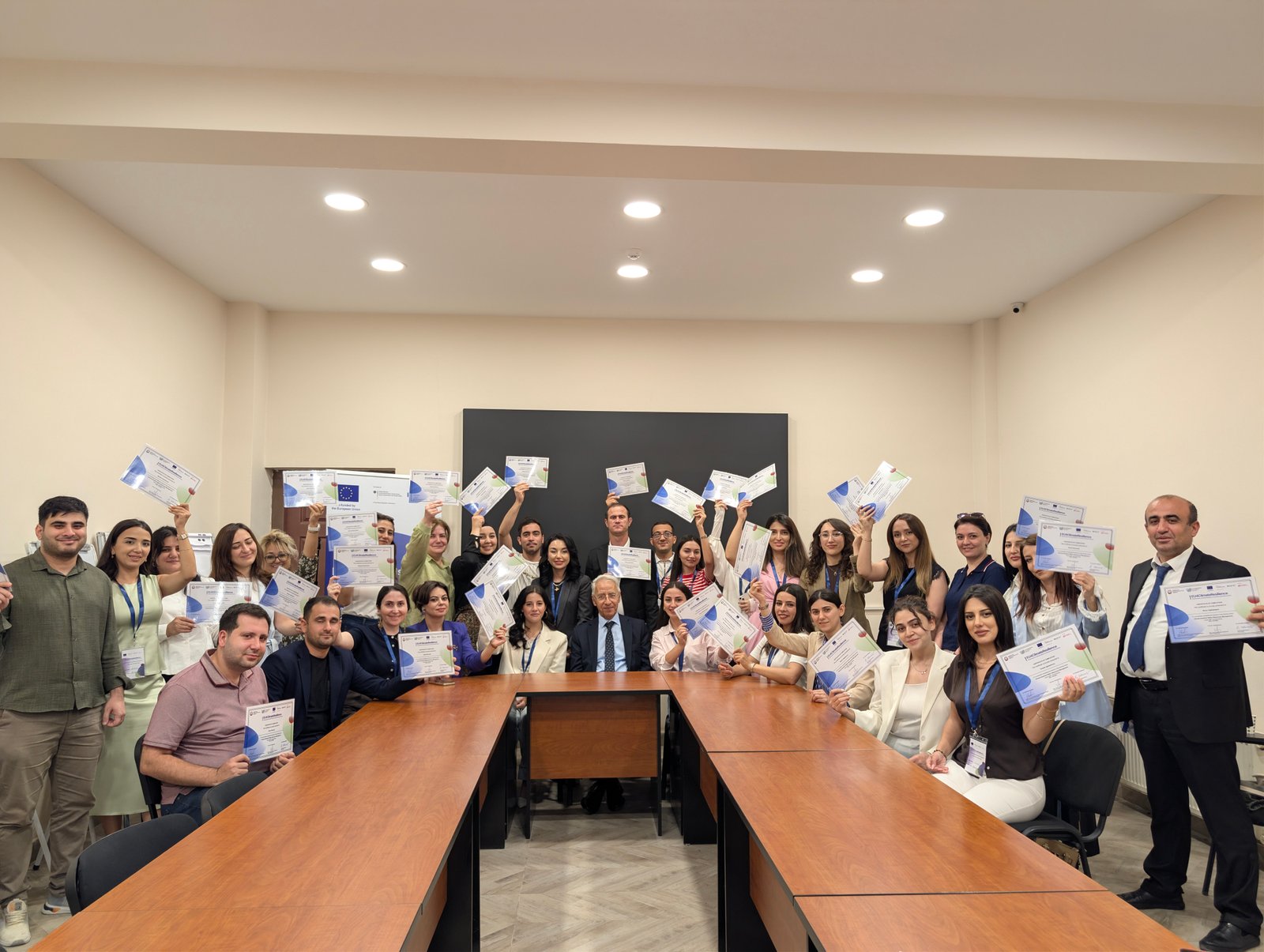
A four-day Capacity-Building Programme on Climate-Resilient Water Resources Management was held in Baku from 8 to 11 September 2026 under the EU4ClimateResilience project, in cooperation with the Water and Amelioration Scientific Research Institute (WASRI) under the Azerbaijan State Water Resources Agency (ASWRA). The programme brought together water sector professionals nominated by the Water
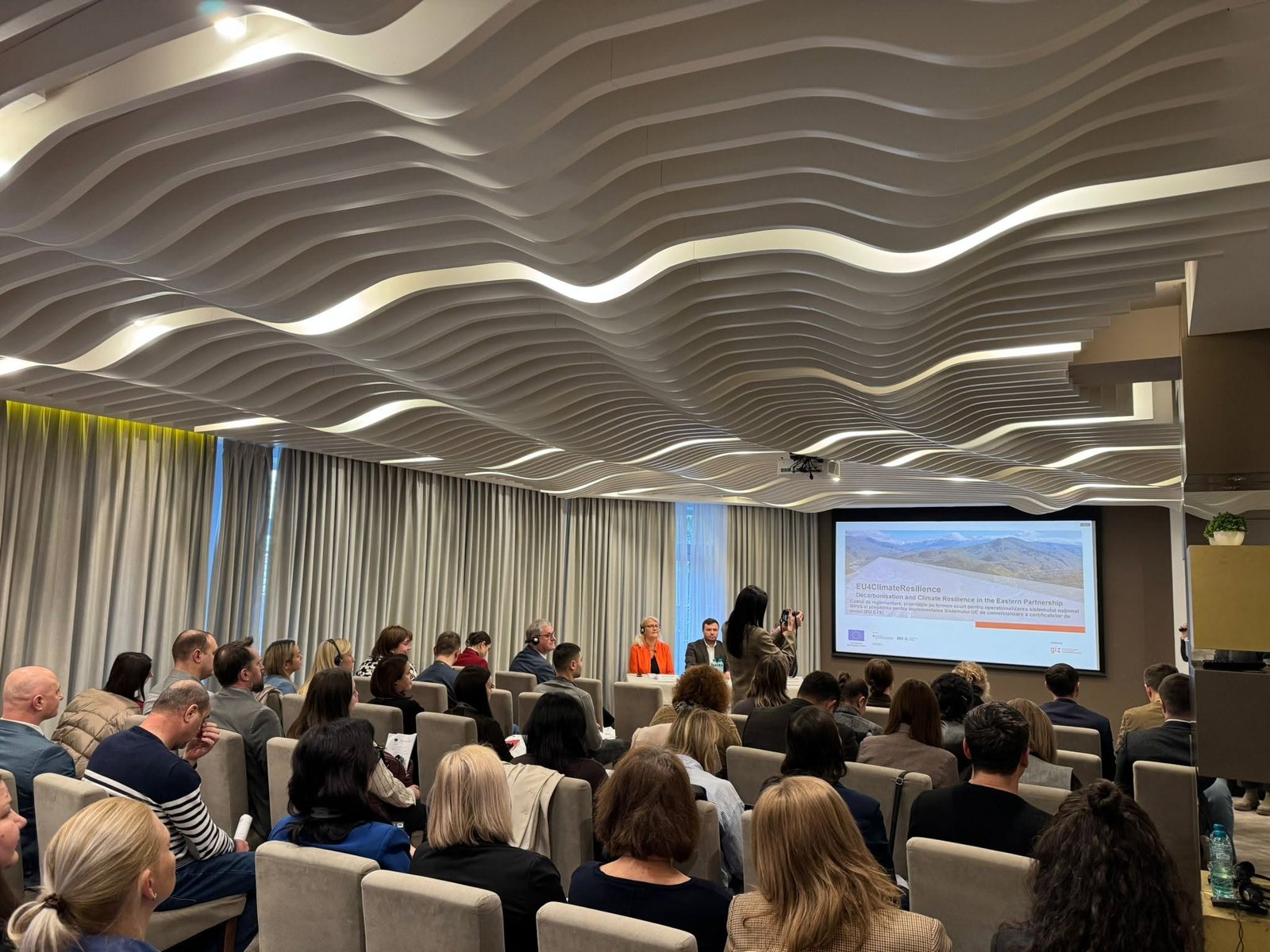
Strategic Dialogue on Strengthening the National MRVA System and Preparing the Republic of Moldova for Carbon Pricing Mechanisms in the Context of Alignment with the EU Acquis
Representatives of public authorities, the business community, and development partners gathered today for a strategic dialogue dedicated to carbon pricing instruments and the consolidation of the national Measurement, Reporting, Verification and Accreditation (MRVA) system in the Republic of Moldova. The event took place in the context of the country’s alignment with the EU acquis in the field
Implementing Partners:
Deutsche Gesellschaft für Internationale Zusammenarbeit (GIZ) GmbH and the Organisation for Economic Cooperation and Development (OECD)