


News
Development of Regional Climate Change Adaptation Strategies Launched for Sumy and Dnipropetrovsk Oblasts
Climate change is increasingly affecting Ukraine's regions, with droughts, floods, heatwaves, and soil degradation placing growing pressure on communities and infrastructure. The impacts of Russia's full-scale invasion have further increased regional vulnerability by damaging critical infrastructure and limiting available resources.
Against this backdrop, EU4ClimateResilience has launched the development of Regional Climate Change Adaptation Strategies for Sumy and Dnipropetrovsk oblasts. The strategies will support climate-resilient recovery and strengthen the regions' capacity to address current and future climate risks.
Addressing regional climate challenges
Dnipropetrovsk Oblast, one of Ukraine's key industrial and energy centres, faces growing risks to water supply, irrigation, and district heating following the destruction of the Kakhovka Reservoir. In Sumy Oblast, damage to transport, energy, and water infrastructure, combined with potential landmine contamination in border areas, presents additional challenges for recovery and long-term development.
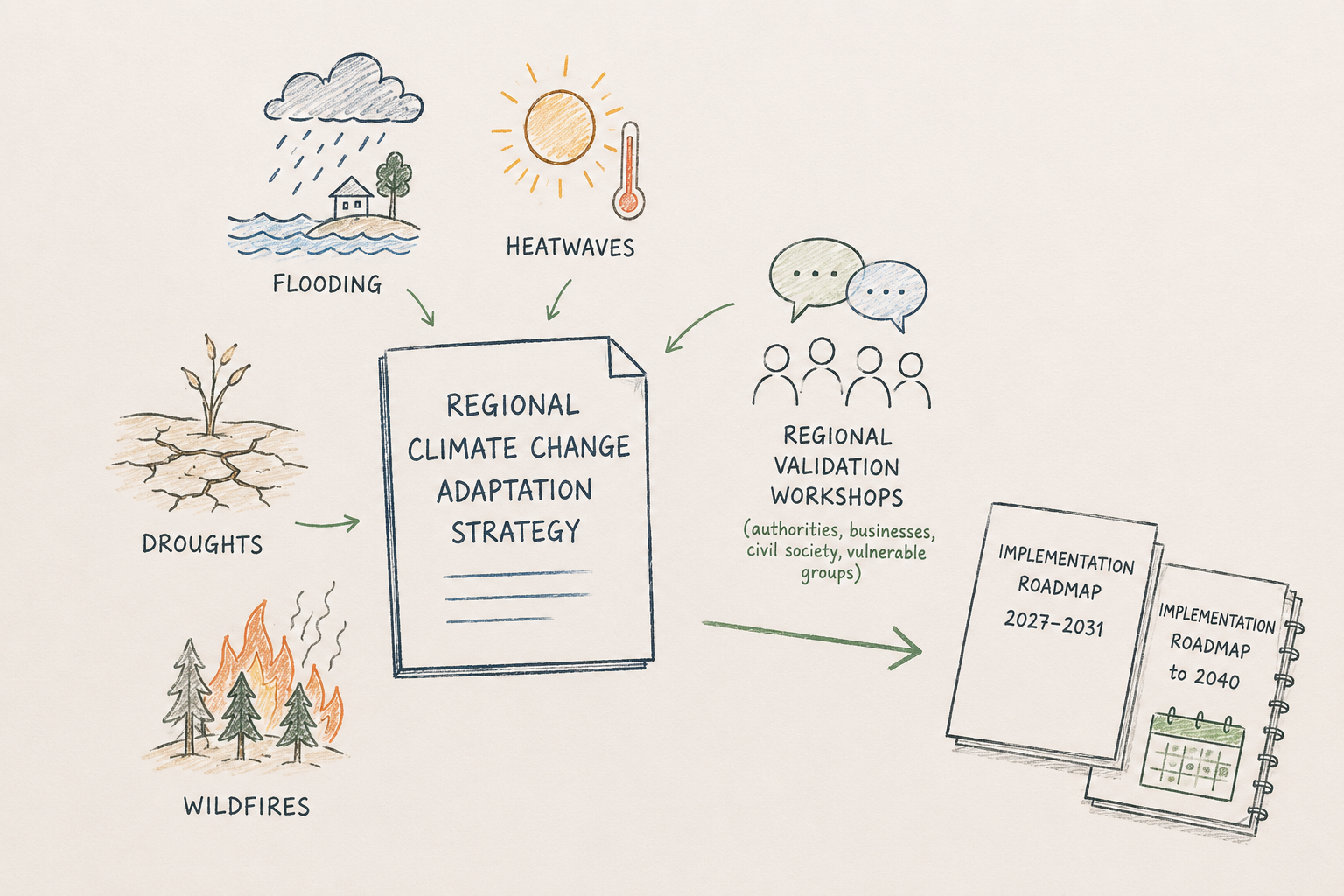
To support climate-informed recovery, work began in early June with the presentation of inception reports and the methodology for conducting Climate Risk and Vulnerability Assessments (CRVAs). The assessments will identify the main climate hazards affecting both regions, including flooding, heatwaves, droughts, and increasing wildfire risks, providing the evidence base for the adaptation strategies.
The assessment findings will be validated through regional workshops involving public authorities, businesses, civil society organisations, and vulnerable groups, ensuring that the strategies reflect both technical analysis and regional priorities.
Deputy Minister of Economy, Environment and Agriculture of Ukraine Oleksandr Krasnolutskyi highlighted the importance of the initiative:
"Adaptation to climate change is a matter of community safety, economic resilience, infrastructure reliability, and the capacity of regions to recover and develop. We must not only restore damaged infrastructure but also embed the principles of long-term resilience and security into every stage of the country's recovery."
Based on the assessment results, Regional Climate Change Adaptation Strategies will be developed for both oblasts, together with implementation roadmaps for 2027-2031 and long-term planning to 2040. The strategies will identify priority adaptation measures, responsible institutions, financing options, and monitoring arrangements, while aligning with Ukraine's national legislation, EU climate policy requirements, and regional development frameworks.
Other news
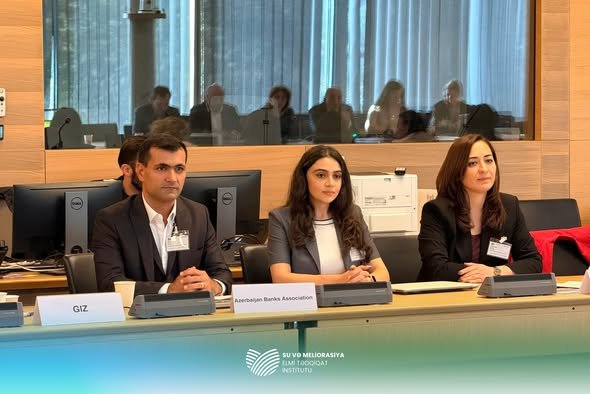
Azerbaijani Experts Join International Discussions on Agricultural Insurance and Climate Adaptation in Paris
On 5–6 October 2026, representatives of Azerbaijan’s Water and Melioration Scientific Research Institute, Gunay Abbasova and Narmin Seyidova, participated in an international event on “Agricultural Insurance and Climate Adaptation” held in Paris, France. Their participation took place within the framework of the EU4ClimateResilience. The event brought together discussions on Nationally Determin

EU4ClimateResilience Presented Assessment of Climate Change Impacts on Pasture-Based Livestock Farming in Ukraine
On 25 September, EU4ClimateResilience presented the results of its work on assessing climate risks and vulnerabilities in Ukraine’s agricultural sector, with a particular focus on the future impacts of climate change on pasture-based livestock farming. During the webinar, Liudmyla Palamarchuk, Senior Researcher at the Atmospheric Physics Department of the Ukrainian Hydrometeorological Institut
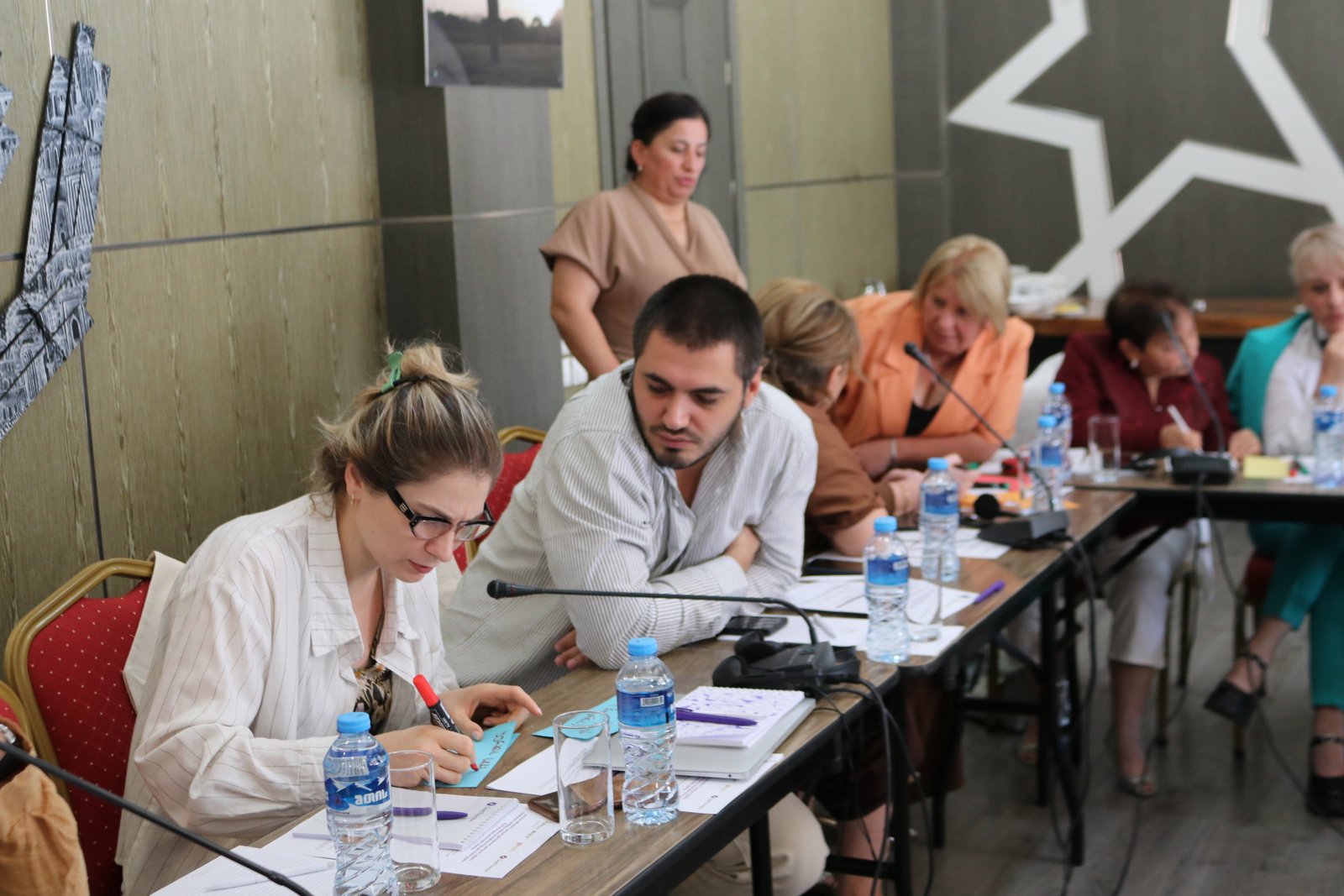
Empowering Local Actors to Advance Climate Resilience Across Georgia
Climate resilience starts locally with people who understand the challenges in their communities and have the knowledge and tools to turn those challenges into action. A two-day capacity-building workshop was recently held in Kachreti, Kakheti, under the EU4ClimateResilience project, bringing together representatives and local stakeholders from Tbilisi, Gori, Marneuli, Dedoplistskaro and Kvare
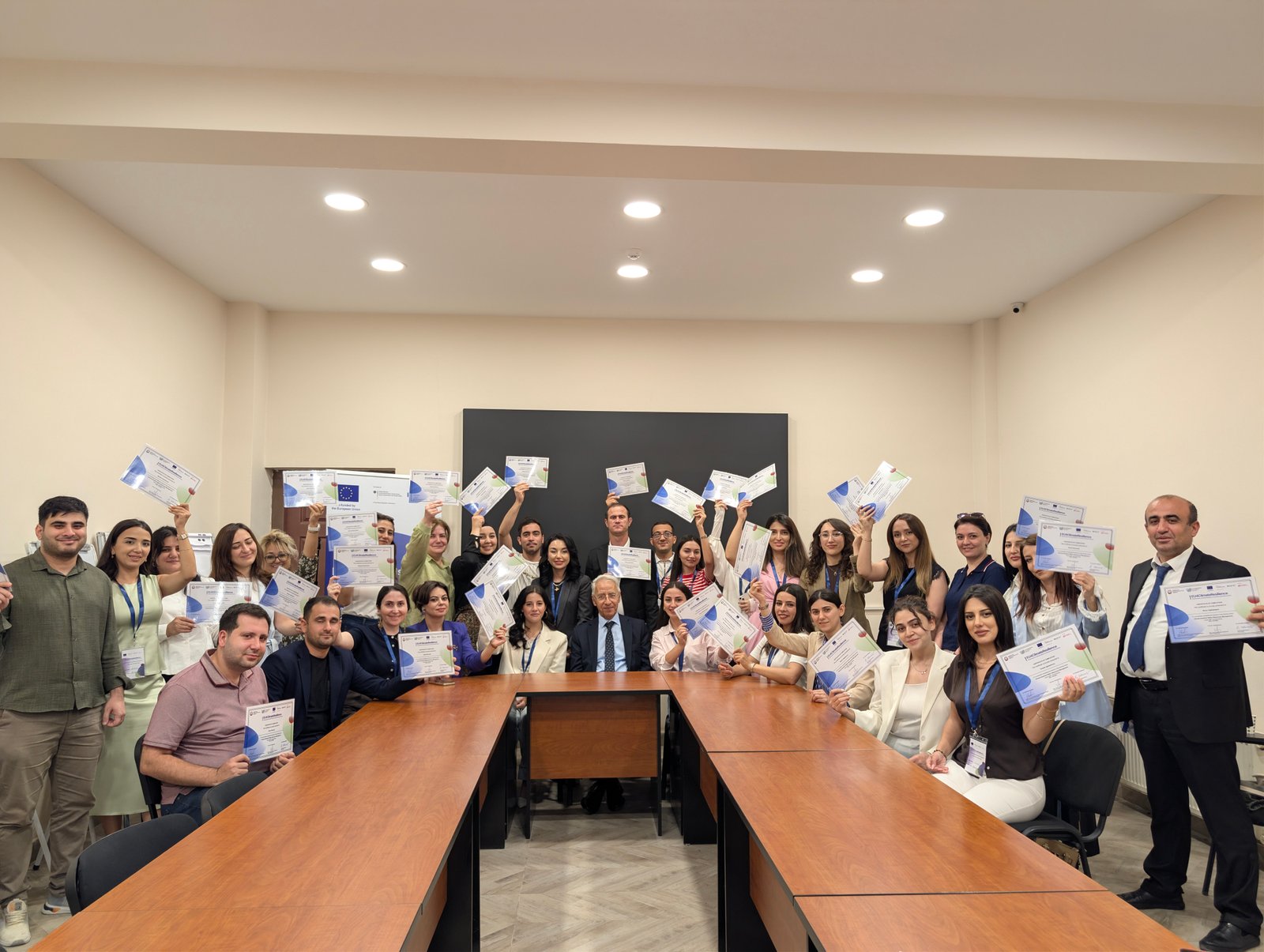
Strengthening Capacities for Climate-Resilient Water Resources Management in Azerbaijan
A four-day Capacity-Building Programme on Climate-Resilient Water Resources Management was held in Baku from 8 to 11 September 2026 under the EU4ClimateResilience project, in cooperation with the Water and Amelioration Scientific Research Institute (WASRI) under the Azerbaijan State Water Resources Agency (ASWRA). The programme brought together water sector professionals nominated by the Water

Strategic Dialogue on Strengthening the National MRVA System and Preparing the Republic of Moldova for Carbon Pricing Mechanisms in the Context of Alignment with the EU Acquis
Representatives of public authorities, the business community, and development partners gathered today for a strategic dialogue dedicated to carbon pricing instruments and the consolidation of the national Measurement, Reporting, Verification and Accreditation (MRVA) system in the Republic of Moldova. The event took place in the context of the country’s alignment with the EU acquis in the field
Implementing Partners:
Deutsche Gesellschaft für Internationale Zusammenarbeit (GIZ) GmbH and the Organisation for Economic Cooperation and Development (OECD)