News
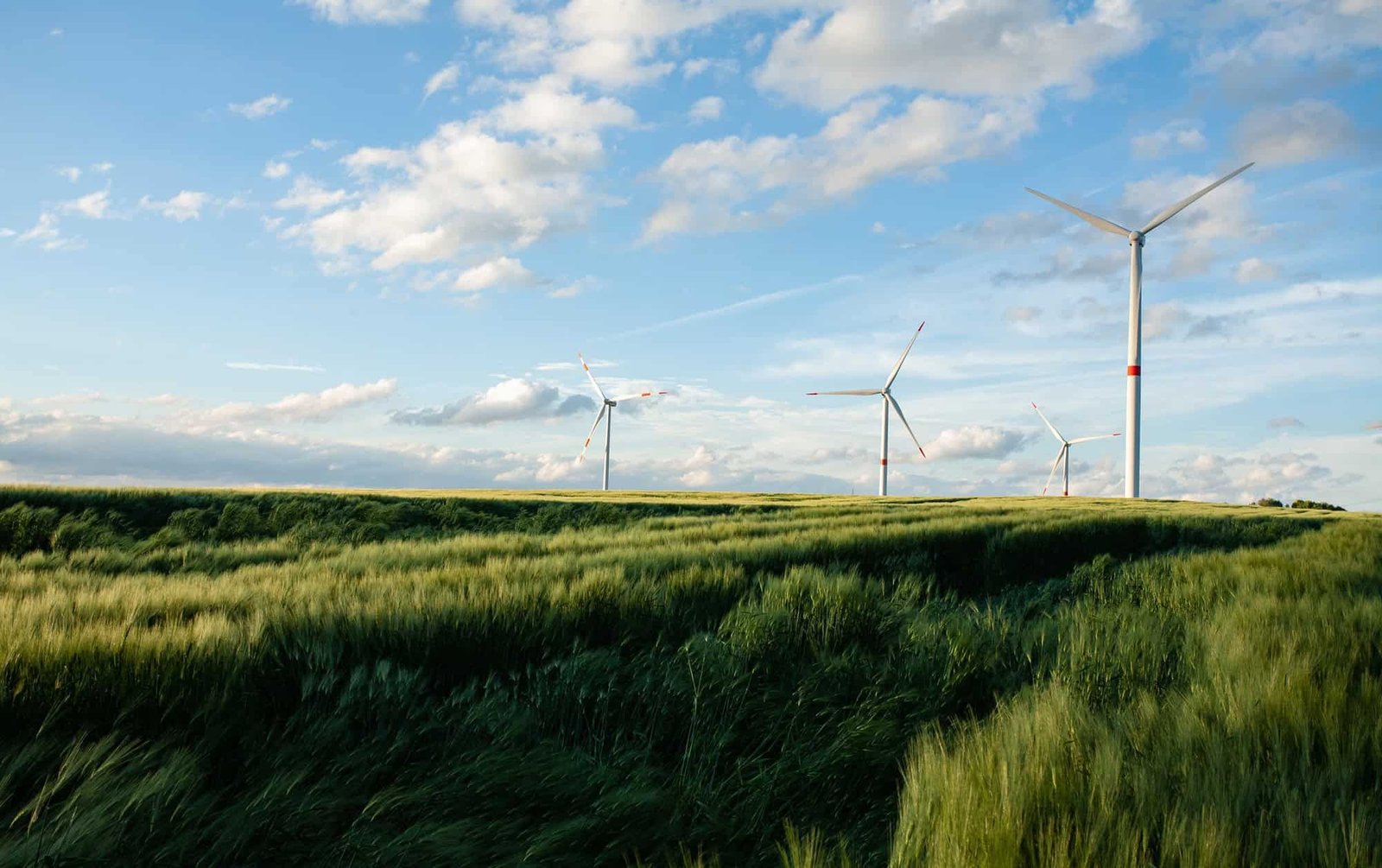

Workshop Highlights the Importance of Strengthening Armenia's Climate Monitoring System
On 13 May 2026, the Ministry of Environment, in cooperation with the EU4ClimateResilience regional project and with the participation of representatives from the EU Energy Community Secretariat, hosted a one-day workshop dedicated to the importance of establishing a robust Monitoring, Reporting, and Verification (MRV) system.
The workshop brought together participants to discuss the role of MRV systems in supporting evidence-based climate policymaking and strengthening Armenia's capacity to meet the reporting requirements of the Paris Agreement and other international climate commitments.
Strengthening institutional capacity to implement an MRVA system is a critical first step in ensuring future systems are credible, transparent, and fit for purpose.
Through EU4ClimateResilience, and building on its experience supporting contracting parties such as Moldova, the Energy Community Secretariat is helping strengthen the capacities of Armenian public institutions to develop and implement an effective MRVA system.
Discussions also highlighted the opportunities that an operational MRV system can create for improving climate governance and expanding access to climate finance, underlining its importance for the country's long-term climate action efforts.
Photo source: The Ministry of Environment of the Republic of Armenia
Other news
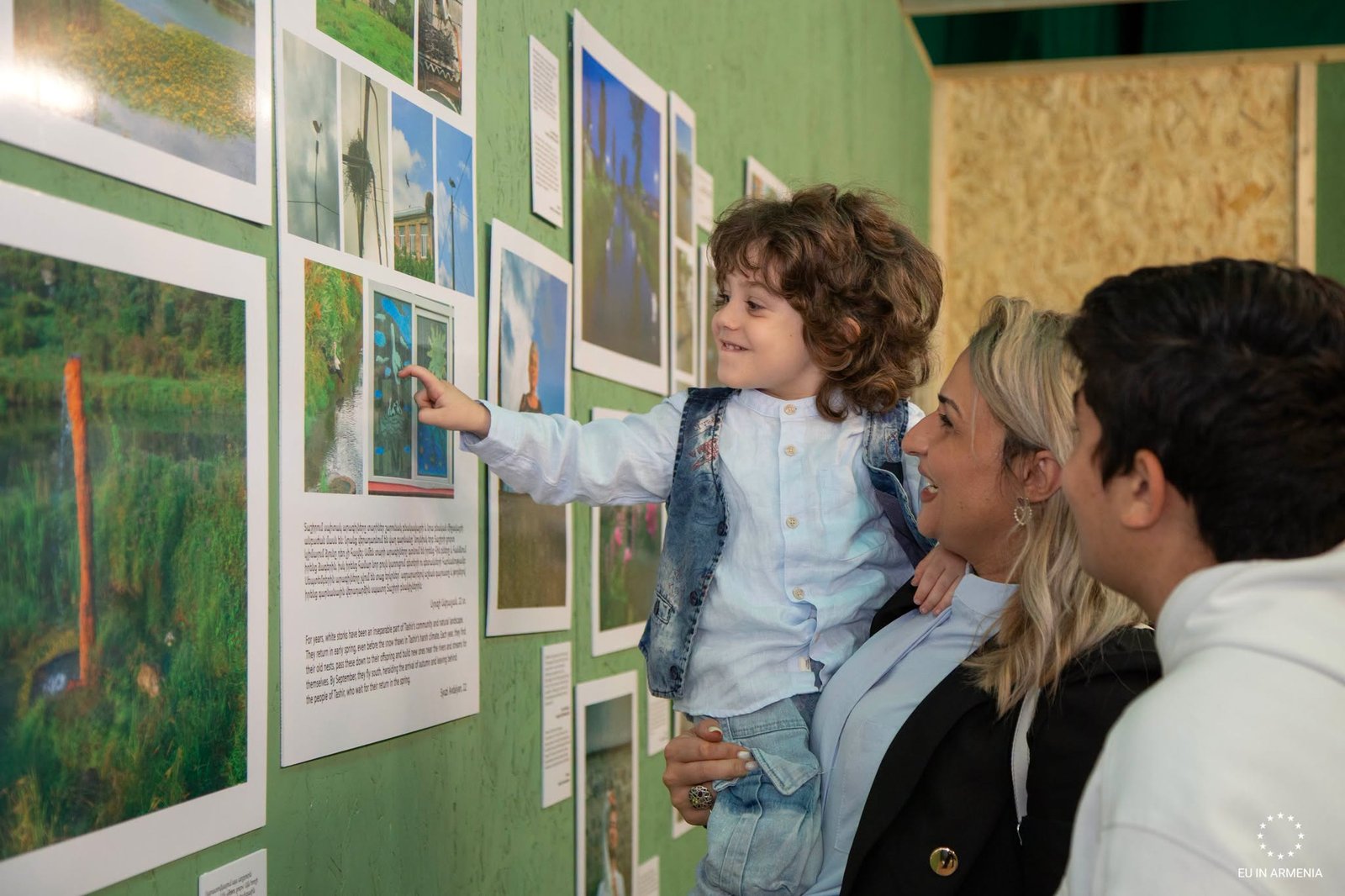
“Our Water, Our Environment” Photography Exhibition Highlights Community-Led Climate Resilience at COP17
As part of the EU4ClimateResilience project, the documentary photography exhibition “Our Water, Our Environment” was presented at the European Union Pavilion in the UN CBD COP17 Green Zone, highlighting the Climate Bridge project and the voices of the Tashir community in Armenia. Through photographs and personal stories, visitors discovered Tashir’s landscapes, the lives of local residents and
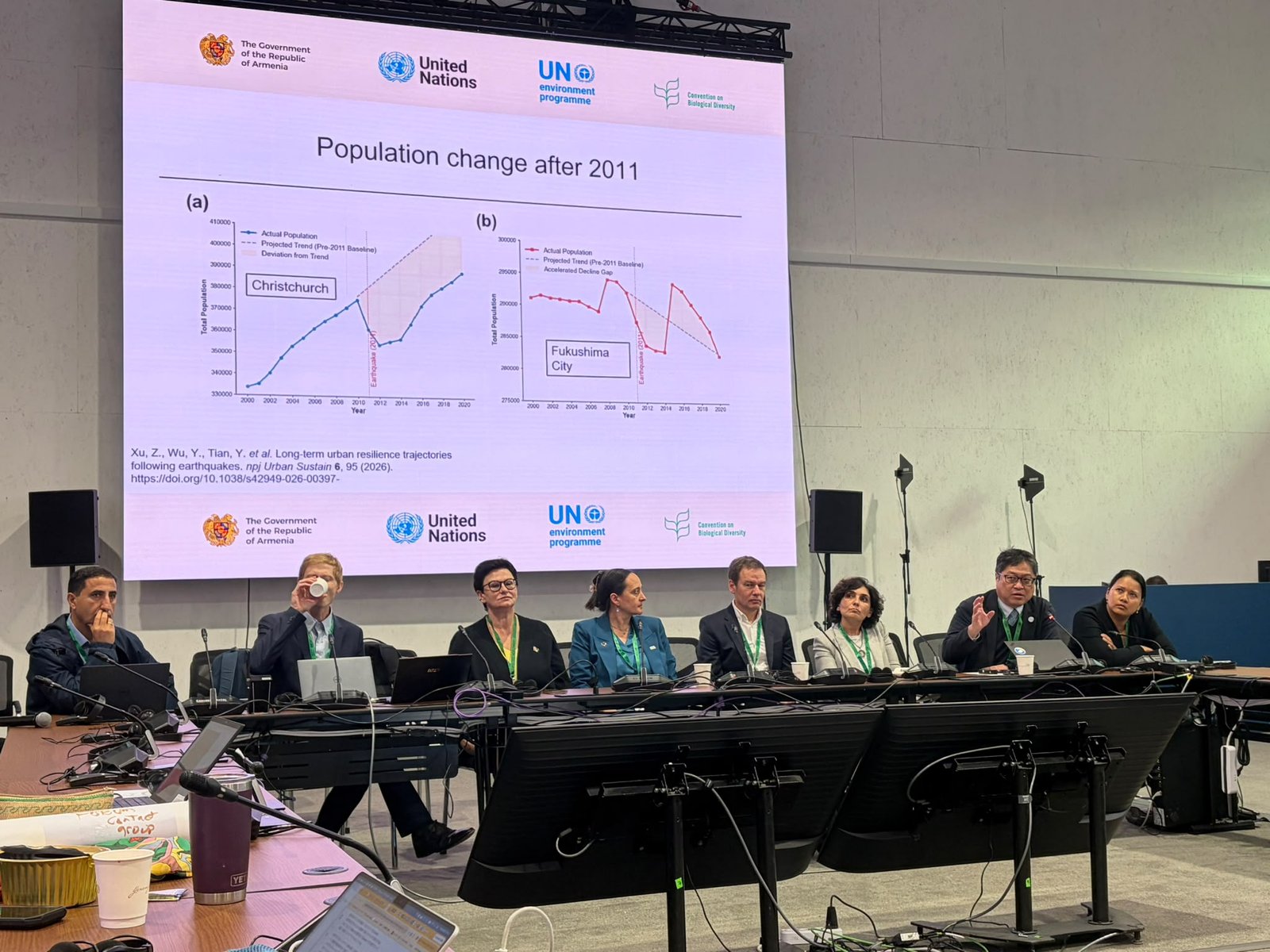
GIZ Shares Armenia’s Experience in Nature-Based Solutions for Resilient Cities at COP17
Within the framework of the 7th Science-Policy Forum for Biodiversity, organised as part of the 17th Conference of the Parties to the Convention on Biological Diversity (COP17), GIZ Armenia contributed to the international session “Nature-Based Recovery for Resilient Cities: Biodiversity, Civic Ecology and Response Diversity in Times of Crisis.” The session, led by the University of Tokyo and c
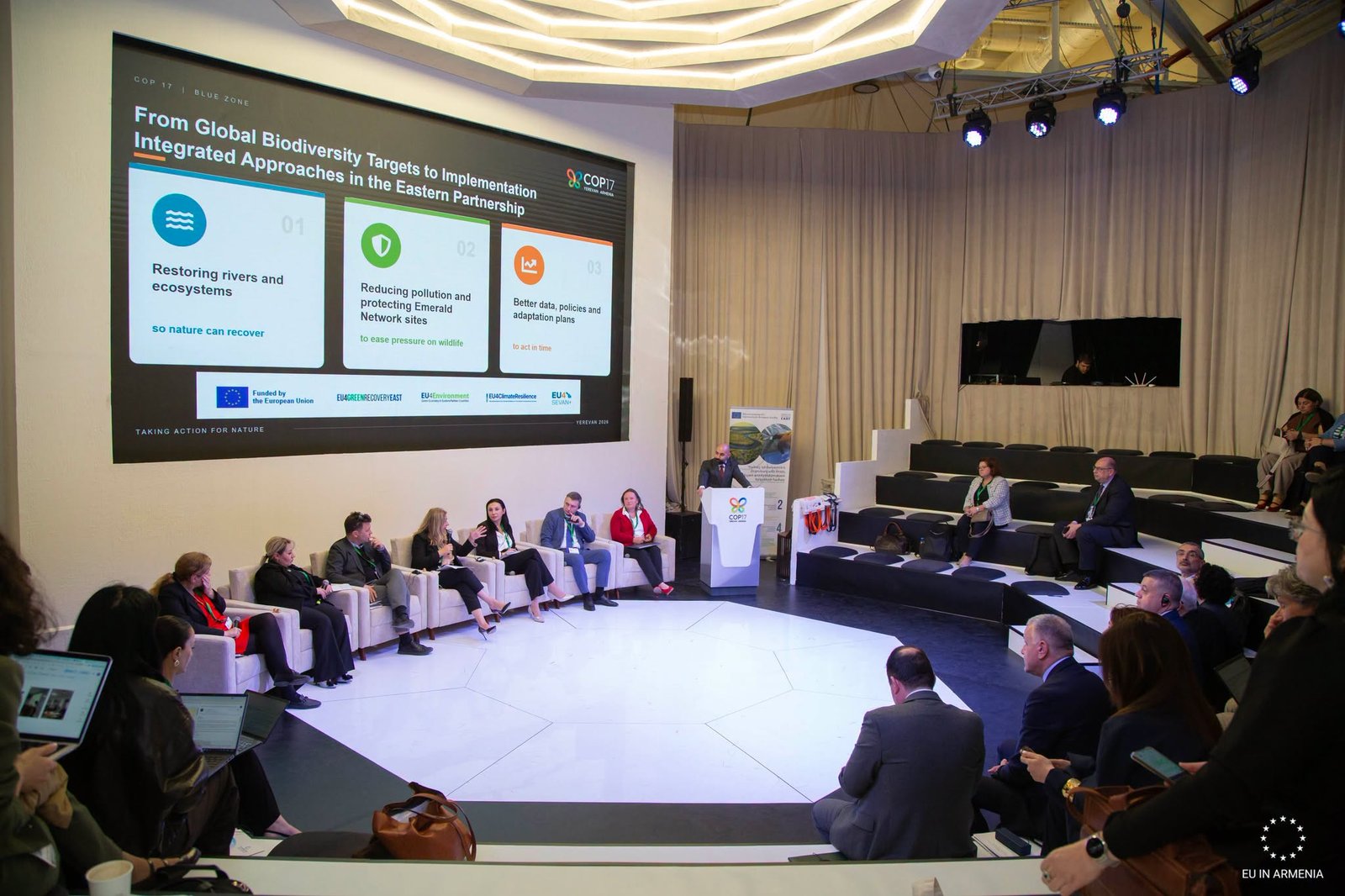
EU4ClimateResilience Joins COP17 Discussion on Biodiversity Protection and Climate Adaptation
On 28 October, the EU4ClimateResilience project joined EU4Green Recovery East, EU4Environment and EU4Sevan+ for a side event at the Armenian Pavilion during COP17 in Yerevan, exploring how global biodiversity targets can be translated into concrete action across Eastern Partnership countries. Jointly organised by the participating projects, the event brought together representatives from Armeni
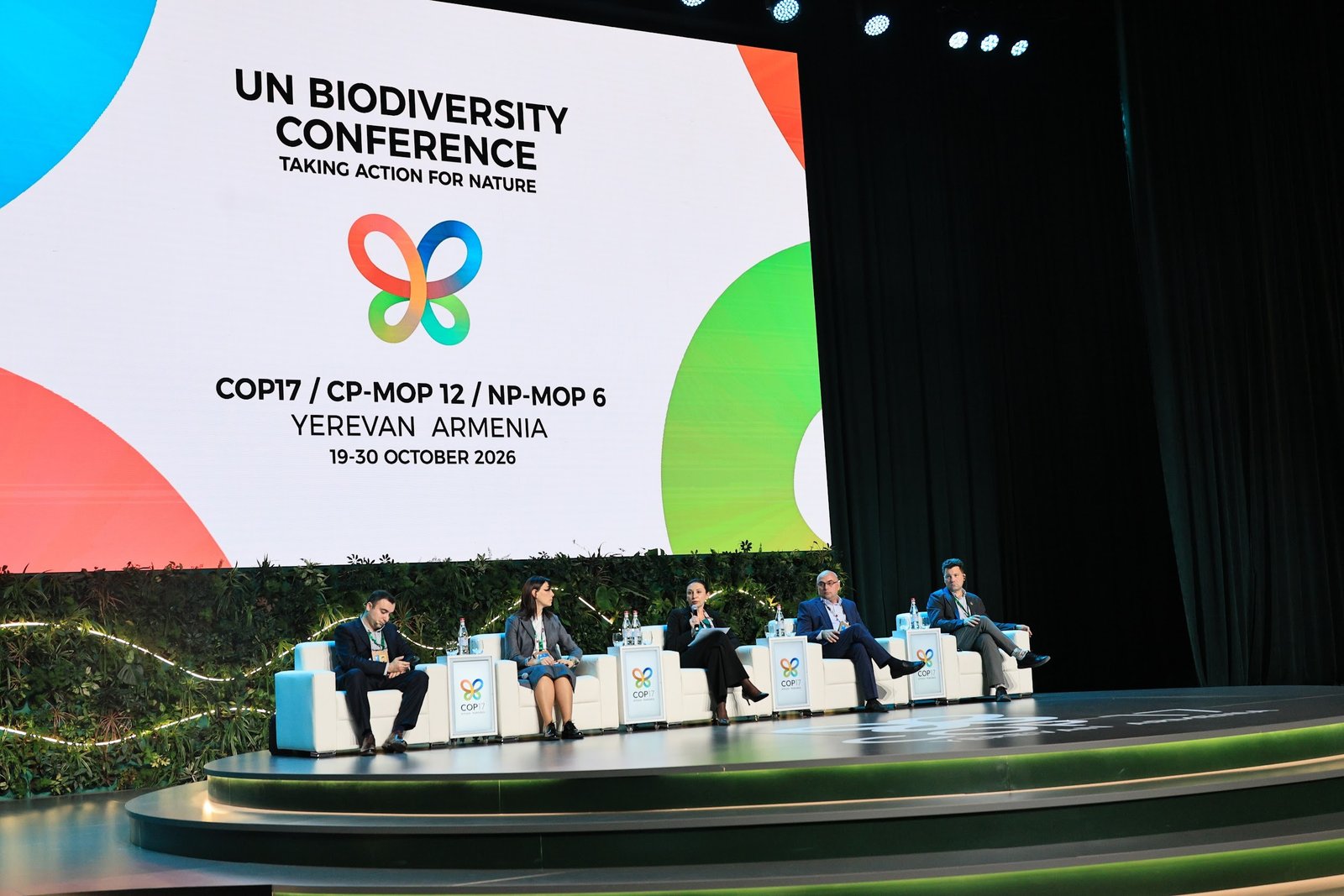
Harnessing the Power of Nature for Climate Resilience: EU4ClimateResilience at COP17 Green Zone
GIZ Armenia, within the framework of the EU4ClimateResilience project, hosted two panel discussions at the COP17 Green Zone under the theme “Operationalizing National Adaptation Plans through Nature-Based Solutions.” Held at the Main Stage of the Karen Demirchyan Sports and Concert Complex in Yerevan, Armenia, the 90-minute session brought together representatives from government institutions,
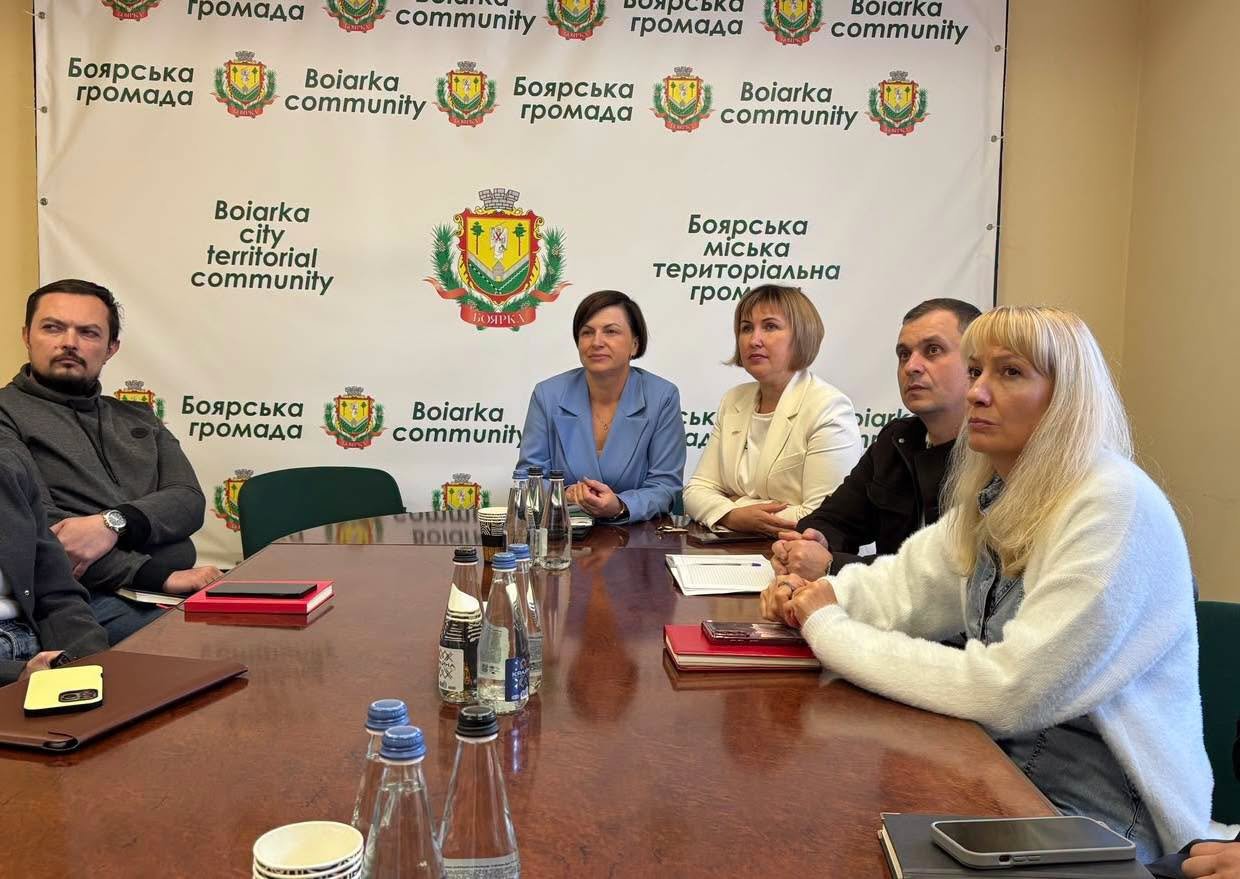
Boiarka Community in Ukraine Hosts Practical Training on Building an Energy Management System
To improve energy efficiency, communities need to understand their own energy consumption. Which buildings consume the most resources? Where do heat losses occur? How can excess consumption be detected in time, and which solutions can be introduced without significant capital investment? These questions were at the centre of the practical training “Building an Energy Management System: Effectiv
Implementing Partners:
Deutsche Gesellschaft für Internationale Zusammenarbeit (GIZ) GmbH and the Organisation for Economic Cooperation and Development (OECD)