


News
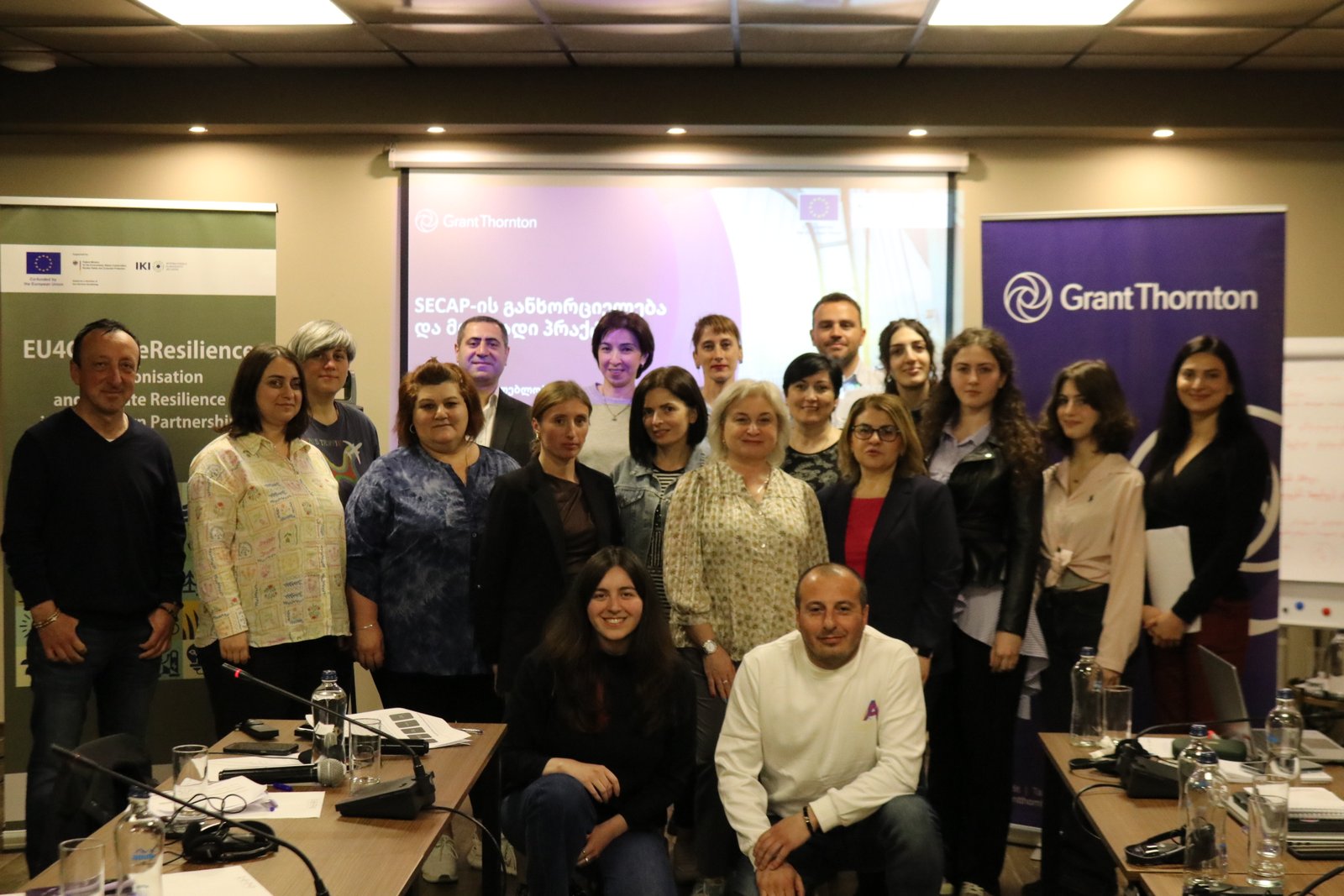
Workshop in Zugdidi Strengthens Capacities of Local Actor for Climate Action and Community Resilience
On 29-30 April 2026, a two-day capacity-building workshop was held in Zugdidi, Georgia, under the EU4ClimateResilience project, bringing together local NGOs, CSOs, and community leaders from Samegrelo and Imereti regions. The workshop focused on strengthening local capacities for climate adaptation, participatory risk assessment, sustainable practices, and inclusive community resilience.
Rather than relying only on theory and presentations, the training was designed as a highly interactive learning space where participants worked directly with local climate challenges affecting their communities. Through group exercises, discussions, mapping activities, and practical case studies, participants explored how climate impacts such as flooding, heatwaves, droughts, and infrastructure damage are already reshaping daily life across Georgia.

One of the central activities of the workshop was a participatory community risk mapping exercise. Working in groups, participants drew maps of real municipalities, identifying vulnerable areas, exposed populations, and critical infrastructure at risk from climate hazards. The exercise sparked lively discussions around which groups are often overlooked in local planning processes, including elderly residents, women with caregiving responsibilities, low-income households, and internally displaced persons. Attendees shared personal experiences from their municipalities, describing recurring flooding, landslides, riverbank erosion, weather patterns and increasing heat stress affecting agriculture and livelihoods in western Georgia. These discussions helped transform abstract climate concepts into concrete local realities.
The programme covered a broad range of topics, including basic of climate change, greenhouse gas emissions, systems thinking using the STEEPV framework, nature-based solutions, sustainable mobility, energy efficiency, and waste management practices. Special attention was also given to the social dimensions of climate resilience and the role of women and vulnerable groups in climate decision-making processes.
Workshop focused on Nature-Based Solutions and participants explored practical examples such as wetland restoration, urban greening, green corridors, composting systems, and ecosystem-based flood mitigation approaches. Discussions connected global NbS concepts with local examples from western Georgia, including the vulnerability of the Kolkheti wetlands and Lake Paliastomi.
The workshop concluded with a lively group exercise, where participants worked in groups based on their municipalities to develop practical climate project ideas tailored to local needs and challenges. The groups were asked to identify key climate risks affecting their communities and translate them into concrete project concepts focusing on sectors such as sustainable waste management, energy efficiency, and transport. Participants presented their ideas to the wider group, discussing their target groups, possible implementation approaches and communication strategies.

The exercise demonstrated how local leaders can turn climate knowledge into practical, community-driven solutions, proving that some of the most innovative climate ideas start with a marker, a flipchart, and a room full of motivated people.
The workshop concluded with reflections that local knowledge, community trust, and inclusive participation are essential for translating climate policies into meaningful action on the ground. The strong engagement throughout the two days demonstrated growing interest among local actors in climate resilience, while also highlighting the importance of continued support and practical capacity building at municipal and community levels.

Other news
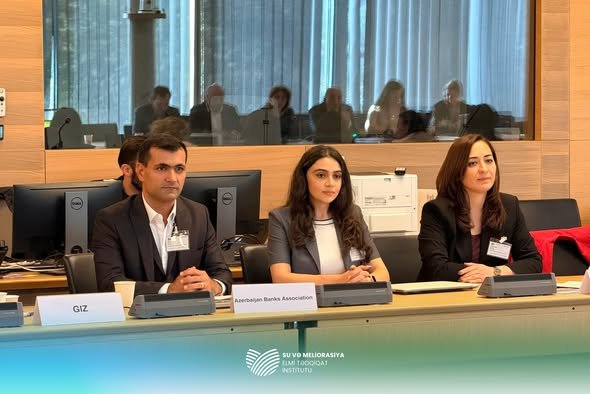
Azerbaijani Experts Join International Discussions on Agricultural Insurance and Climate Adaptation in Paris
On 5–6 October 2026, representatives of Azerbaijan’s Water and Melioration Scientific Research Institute, Gunay Abbasova and Narmin Seyidova, participated in an international event on “Agricultural Insurance and Climate Adaptation” held in Paris, France. Their participation took place within the framework of the EU4ClimateResilience. The event brought together discussions on Nationally Determin

EU4ClimateResilience Presented Assessment of Climate Change Impacts on Pasture-Based Livestock Farming in Ukraine
On 25 September, EU4ClimateResilience presented the results of its work on assessing climate risks and vulnerabilities in Ukraine’s agricultural sector, with a particular focus on the future impacts of climate change on pasture-based livestock farming. During the webinar, Liudmyla Palamarchuk, Senior Researcher at the Atmospheric Physics Department of the Ukrainian Hydrometeorological Institut
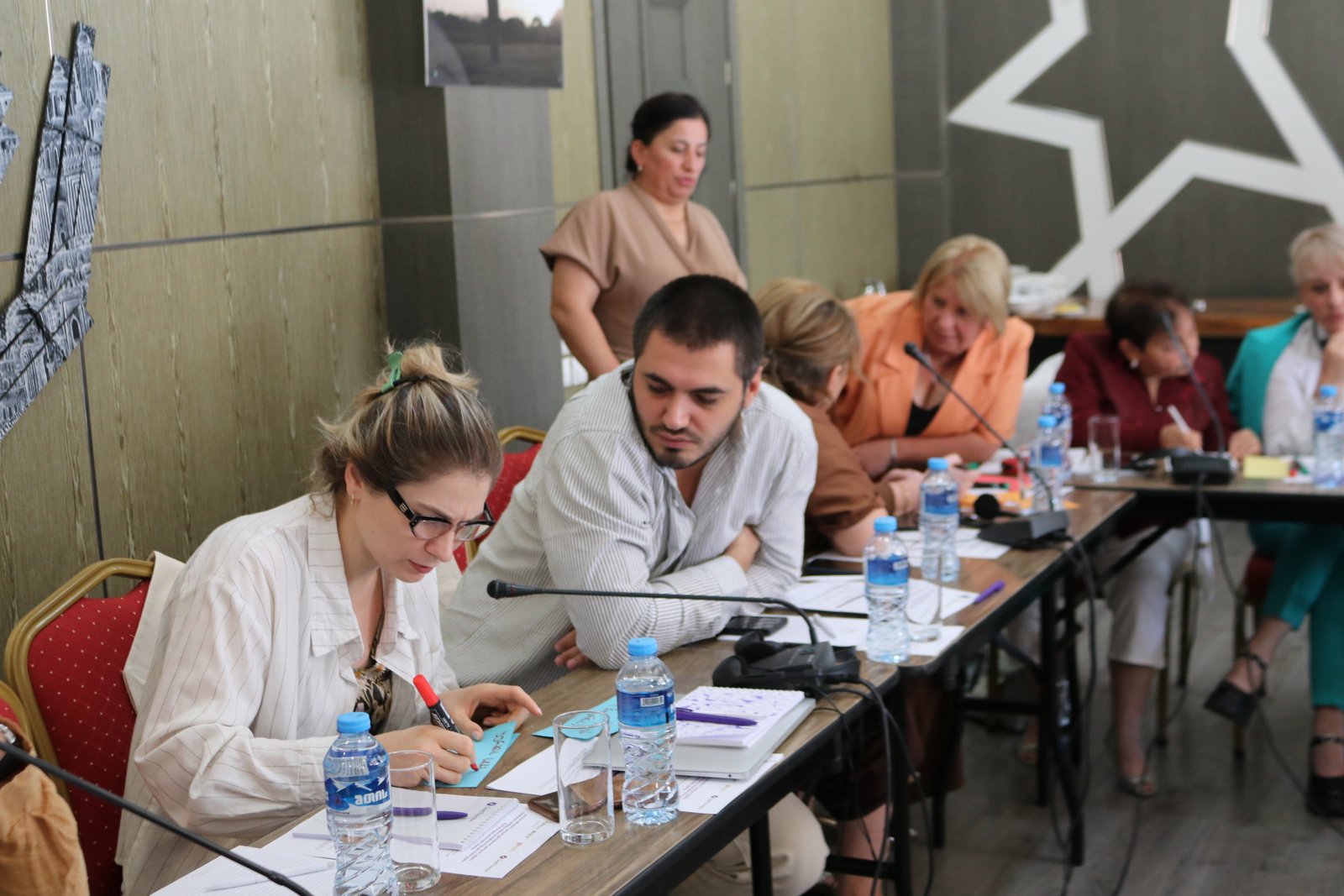
Empowering Local Actors to Advance Climate Resilience Across Georgia
Climate resilience starts locally with people who understand the challenges in their communities and have the knowledge and tools to turn those challenges into action. A two-day capacity-building workshop was recently held in Kachreti, Kakheti, under the EU4ClimateResilience project, bringing together representatives and local stakeholders from Tbilisi, Gori, Marneuli, Dedoplistskaro and Kvare
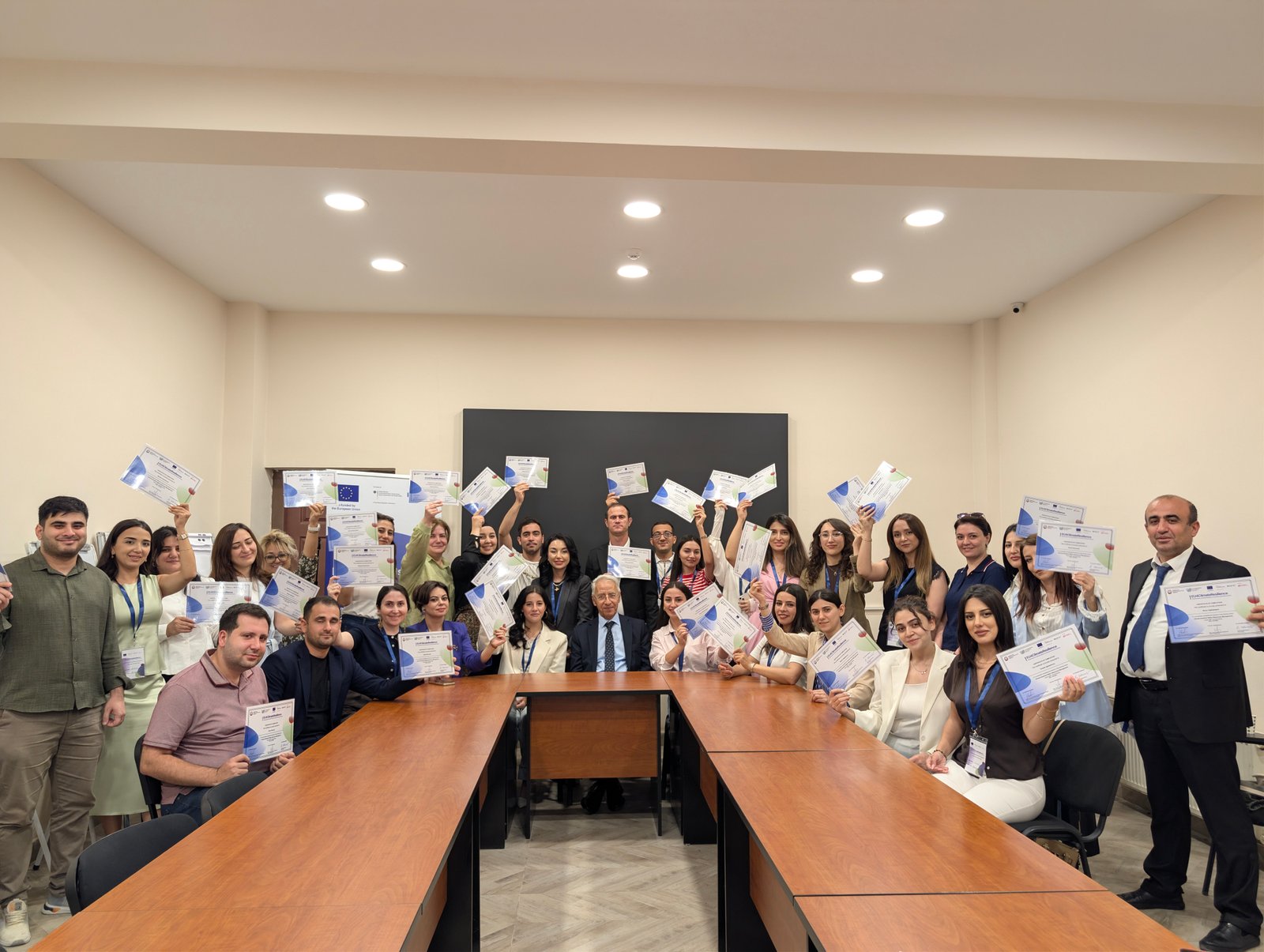
Strengthening Capacities for Climate-Resilient Water Resources Management in Azerbaijan
A four-day Capacity-Building Programme on Climate-Resilient Water Resources Management was held in Baku from 8 to 11 September 2026 under the EU4ClimateResilience project, in cooperation with the Water and Amelioration Scientific Research Institute (WASRI) under the Azerbaijan State Water Resources Agency (ASWRA). The programme brought together water sector professionals nominated by the Water
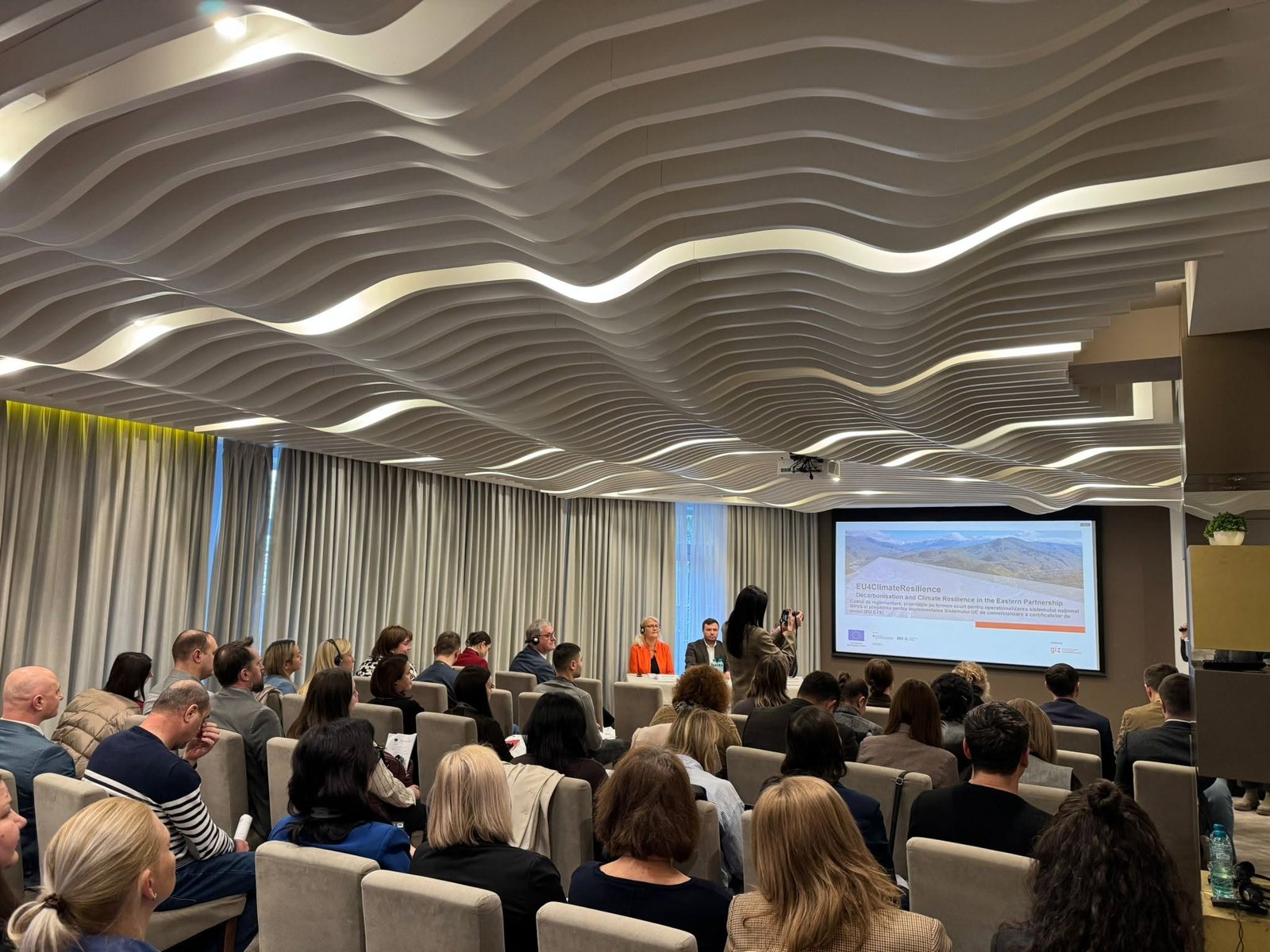
Strategic Dialogue on Strengthening the National MRVA System and Preparing the Republic of Moldova for Carbon Pricing Mechanisms in the Context of Alignment with the EU Acquis
Representatives of public authorities, the business community, and development partners gathered today for a strategic dialogue dedicated to carbon pricing instruments and the consolidation of the national Measurement, Reporting, Verification and Accreditation (MRVA) system in the Republic of Moldova. The event took place in the context of the country’s alignment with the EU acquis in the field
Implementing Partners:
Deutsche Gesellschaft für Internationale Zusammenarbeit (GIZ) GmbH and the Organisation for Economic Cooperation and Development (OECD)