


News
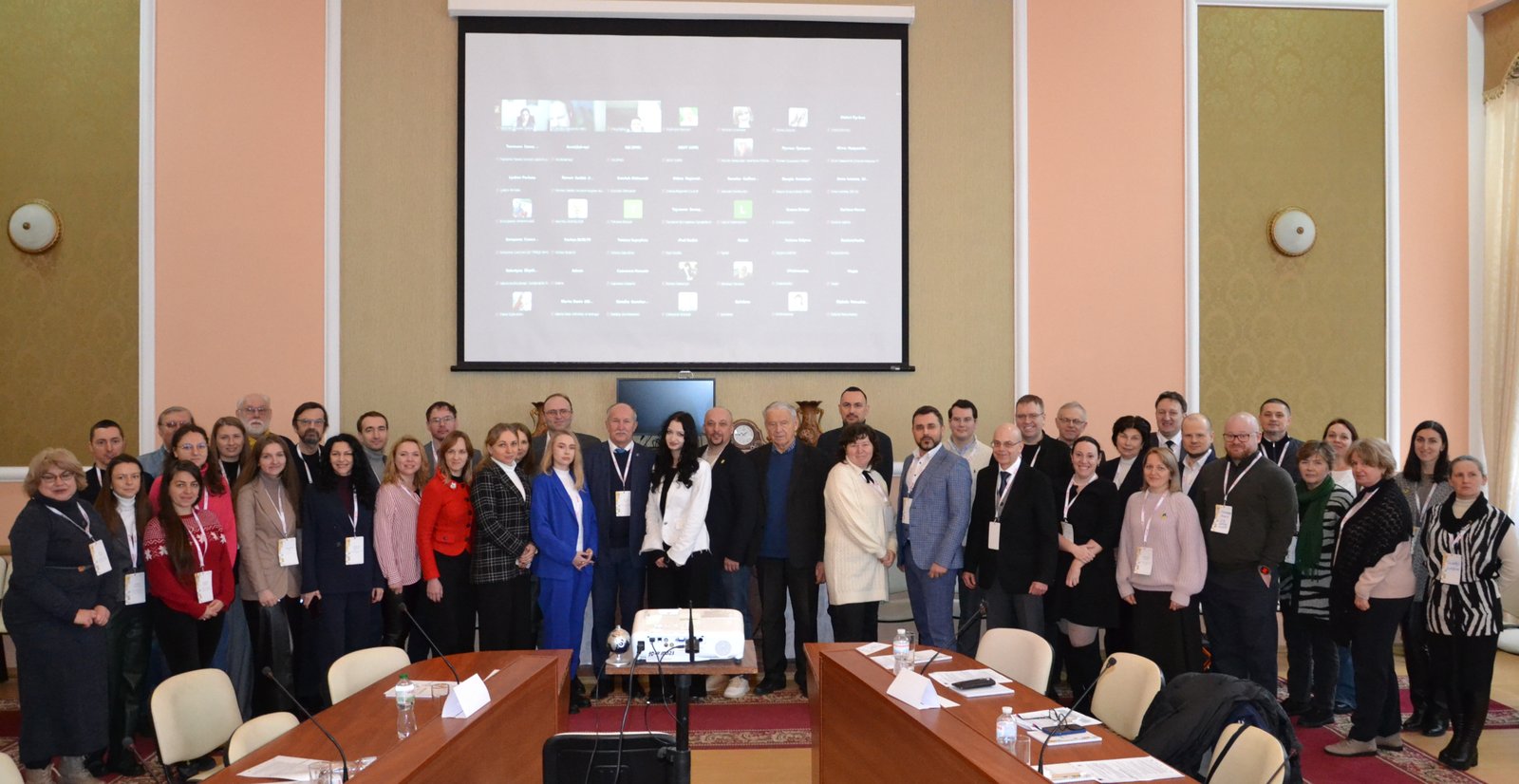
Climate Risk Assessment for Agriculture Presented at PROGRESS Round Table
The EU4ClimateResilience project presented the findings of a comprehensive Climate Risk Assessment for Ukraine’s agricultural sector at the Third Round Table of the PROGRESS project. The event brought together representatives of ministries, research institutions, financial organisations, businesses and international partners to discuss how Ukrainian agriculture can adapt to accelerating climate change.
Agriculture remains a cornerstone of Ukraine’s economy, accounting for 16% of GDP and 40% of export revenues in 2021. Ukraine continues to play a critical role in global food supply, accounting for:
-
24% of global sunflower exports
-
2.8% of global wheat exports
-
2.2% of global corn exports
In this context, strengthening climate resilience in agriculture is both an economic and strategic priority.
The assessment aims to identify region-specific climate risks over the coming decades and provide a practical evidence base for policy decisions and farm-level adaptation strategies. It also supports the integration of climate resilience into national agricultural planning and investment frameworks.
Key findings for crop production
Currently, 20–30% of Ukrainian farmland is already affected by climate-related risks. Under a moderate climate scenario, vulnerability could increase to 40–50% by 2050, with more than half of crop production areas facing serious stress by the end of the century. While southern and eastern regions are currently the most exposed, risk zones are projected to expand towards central, northern and western regions.
The projected increase in vulnerability is primarily linked to several major climate hazards. Extreme heat already poses a high risk in the South and East (6–10 points on a 10-point scale) and is expected to affect most regions by 2050. Temperatures above 30–35°C disrupt pollination and grain formation in crops such as wheat and sunflower, reducing yields. Drought remains a persistent challenge in the South (7 points) and presents a medium-level risk in other regions. Heavy rainfall, currently a high risk in the West and North, could affect up to two-thirds of Ukraine by mid-century (6.5–7.5 points), leading to crop damage and flooding.
Recommended adaptation measures include:
-
Diversifying smart farming with different crops and minimal soil work to retain soil moisture
-
Modern irrigation systems, including drip irrigation
-
Using pest-resistant crop varieties, as rising temperatures create more favourable conditions for pest proliferation
-
Digital monitoring tools based on drones, satellite systems and mobile applications.
Livestock farming under increasing pressure
Livestock systems face even greater long-term climate vulnerability. While current exposure levels are comparable to crop production, projections indicate faster deterioration. By 2050, 40–50% of livestock systems may experience serious climate stress, potentially increasing to 60–70% by the end of the century. Rising temperatures reduce feed intake in cattle by approximately 3–5% per additional degree of warming, directly affecting milk and meat production. Heat stress, particularly in southern and eastern regions, and water scarcity remain the most significant risks.
Recommended responses for livestock include improved housing with ventilation and cooling systems, the introduction of climate-resilient breeds, alternative feed crops such as sorghum, water-saving infrastructure and biogas production from livestock waste.
Participants of the Round Table emphasised that isolated measures will not be sufficient. Strengthening climate resilience requires systemic change, including:
-
Integrating climate risk analysis into agricultural programmes
-
Developing unified data platforms for weather and farming information
-
Expanding green loans and climate-indexed insurance
-
Strengthening advisory support and innovation uptake among farmers
The assessment findings are already informing the development of training modules, demonstration projects and awareness activities planned for 2026. By translating scientific analysis into practical solutions, the EU4ClimateResilience project supports Ukraine in strengthening food security, safeguarding natural resources and advancing alignment with European standards.
Other news
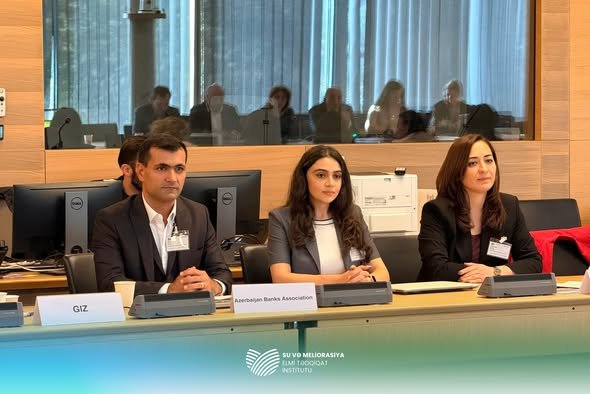
Azerbaijani Experts Join International Discussions on Agricultural Insurance and Climate Adaptation in Paris
On 5–6 October 2026, representatives of Azerbaijan’s Water and Melioration Scientific Research Institute, Gunay Abbasova and Narmin Seyidova, participated in an international event on “Agricultural Insurance and Climate Adaptation” held in Paris, France. Their participation took place within the framework of the EU4ClimateResilience. The event brought together discussions on Nationally Determin

EU4ClimateResilience Presented Assessment of Climate Change Impacts on Pasture-Based Livestock Farming in Ukraine
On 25 September, EU4ClimateResilience presented the results of its work on assessing climate risks and vulnerabilities in Ukraine’s agricultural sector, with a particular focus on the future impacts of climate change on pasture-based livestock farming. During the webinar, Liudmyla Palamarchuk, Senior Researcher at the Atmospheric Physics Department of the Ukrainian Hydrometeorological Institut
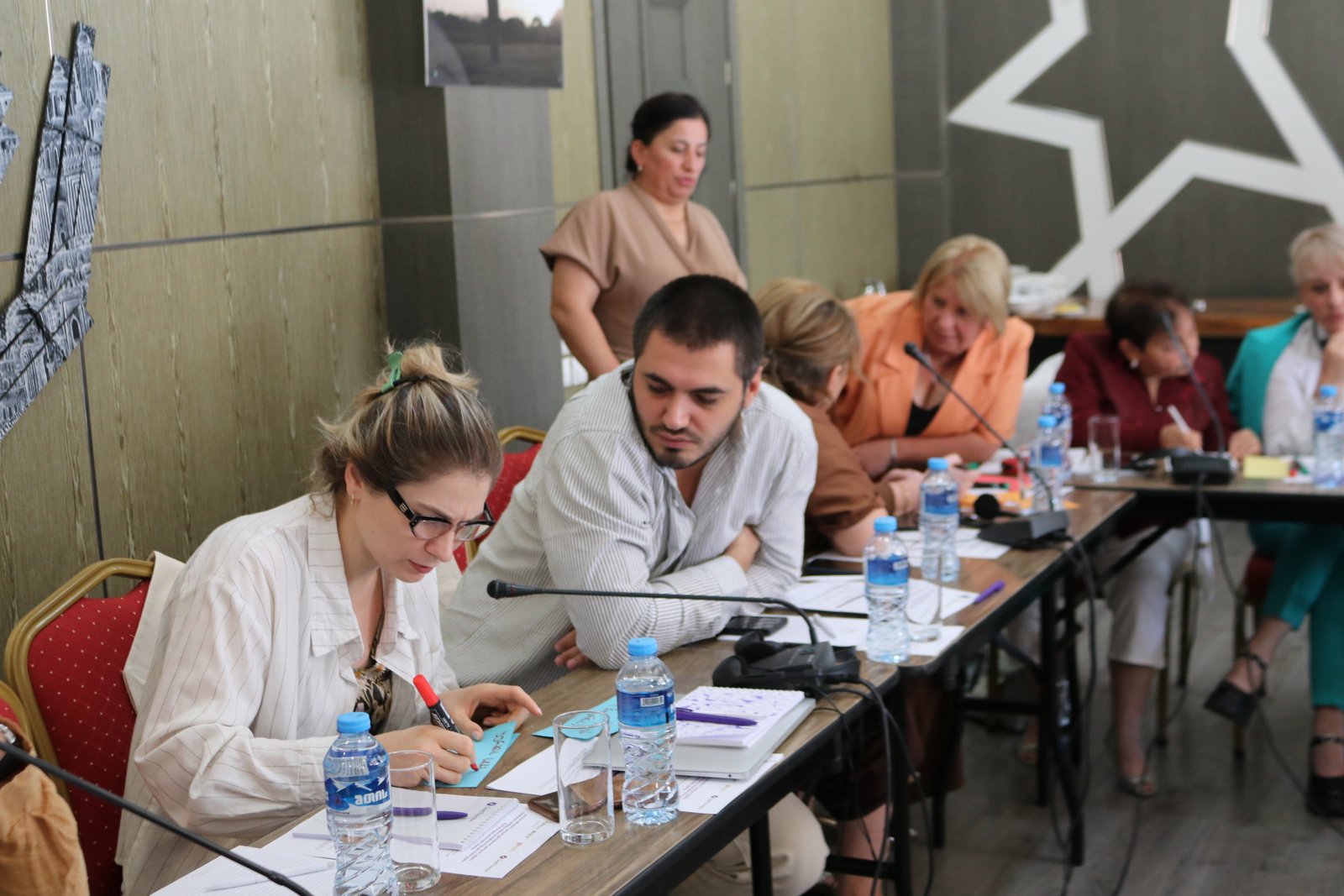
Empowering Local Actors to Advance Climate Resilience Across Georgia
Climate resilience starts locally with people who understand the challenges in their communities and have the knowledge and tools to turn those challenges into action. A two-day capacity-building workshop was recently held in Kachreti, Kakheti, under the EU4ClimateResilience project, bringing together representatives and local stakeholders from Tbilisi, Gori, Marneuli, Dedoplistskaro and Kvare
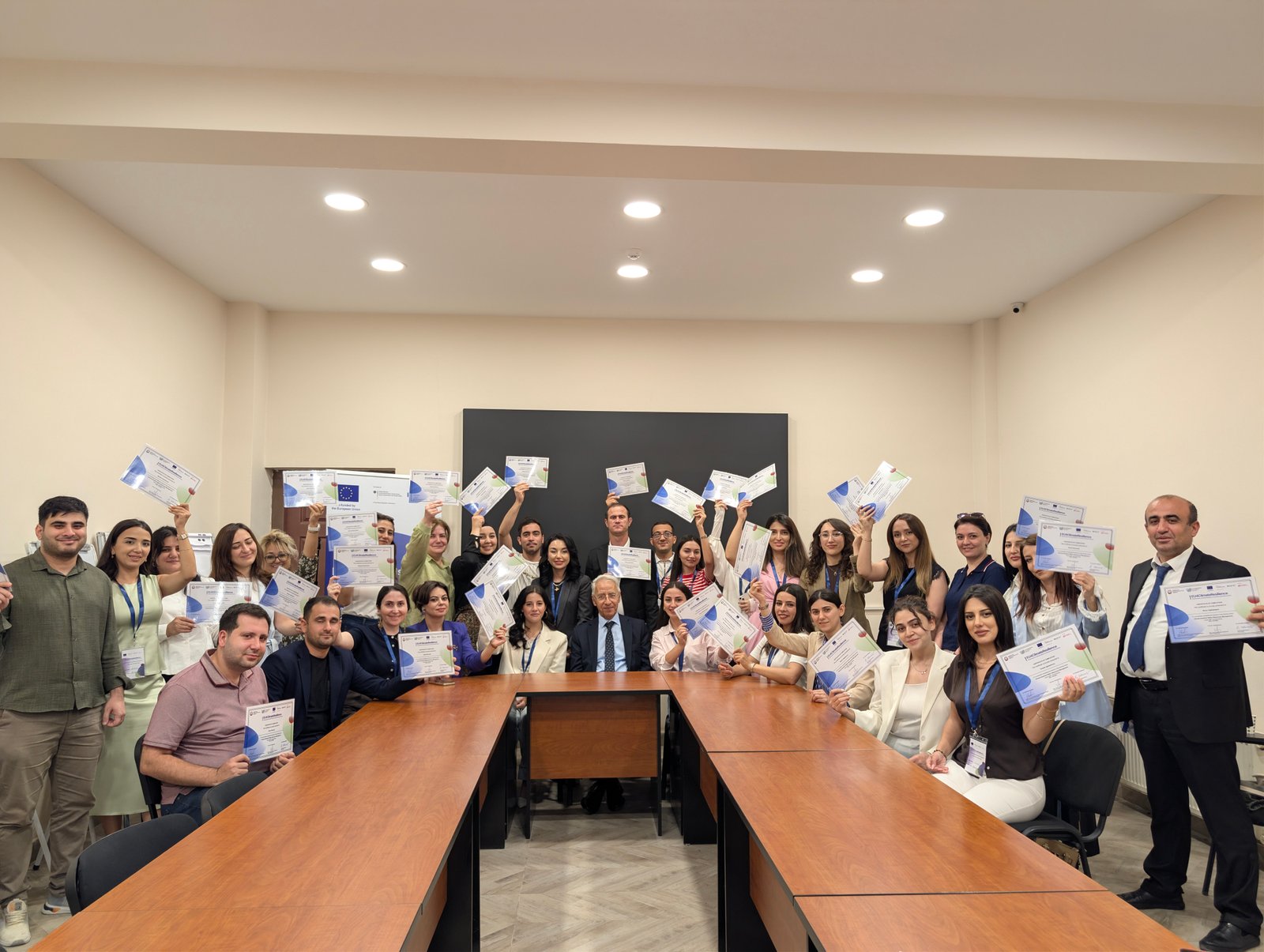
Strengthening Capacities for Climate-Resilient Water Resources Management in Azerbaijan
A four-day Capacity-Building Programme on Climate-Resilient Water Resources Management was held in Baku from 8 to 11 September 2026 under the EU4ClimateResilience project, in cooperation with the Water and Amelioration Scientific Research Institute (WASRI) under the Azerbaijan State Water Resources Agency (ASWRA). The programme brought together water sector professionals nominated by the Water

Strategic Dialogue on Strengthening the National MRVA System and Preparing the Republic of Moldova for Carbon Pricing Mechanisms in the Context of Alignment with the EU Acquis
Representatives of public authorities, the business community, and development partners gathered today for a strategic dialogue dedicated to carbon pricing instruments and the consolidation of the national Measurement, Reporting, Verification and Accreditation (MRVA) system in the Republic of Moldova. The event took place in the context of the country’s alignment with the EU acquis in the field
Implementing Partners:
Deutsche Gesellschaft für Internationale Zusammenarbeit (GIZ) GmbH and the Organisation for Economic Cooperation and Development (OECD)