News

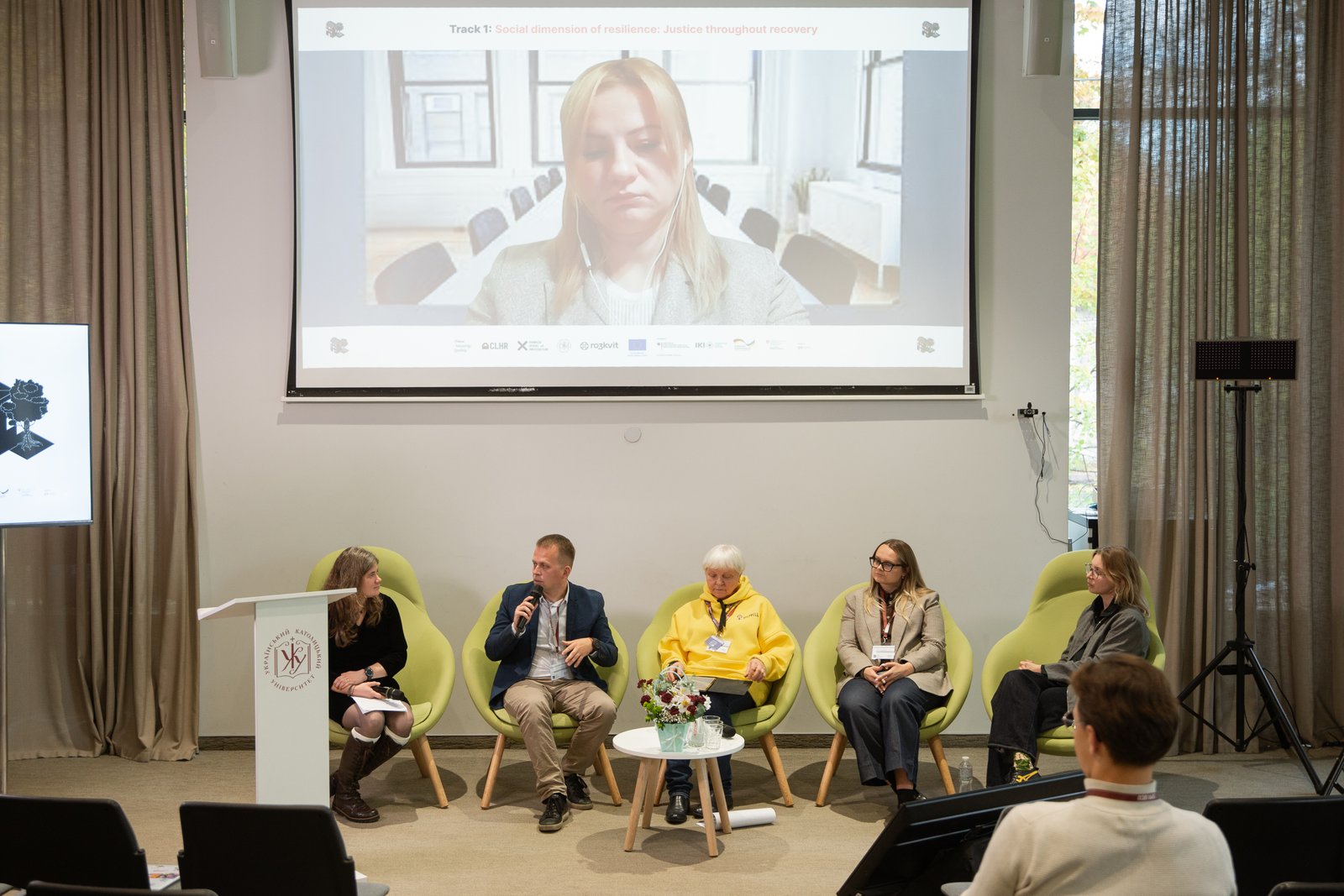
Shaping Ukraine’s Future Cities: From Strategic Planning to Community Needs
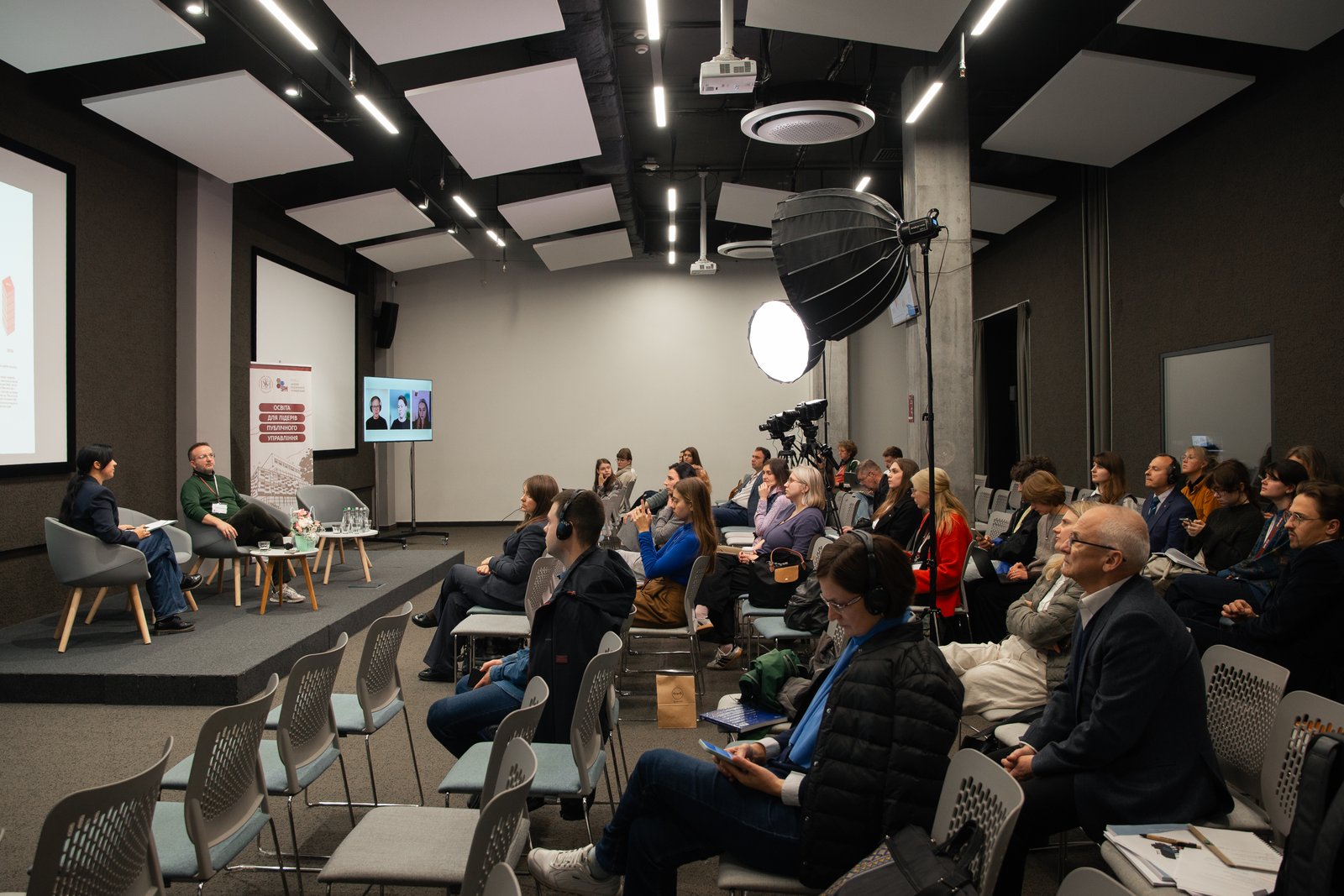
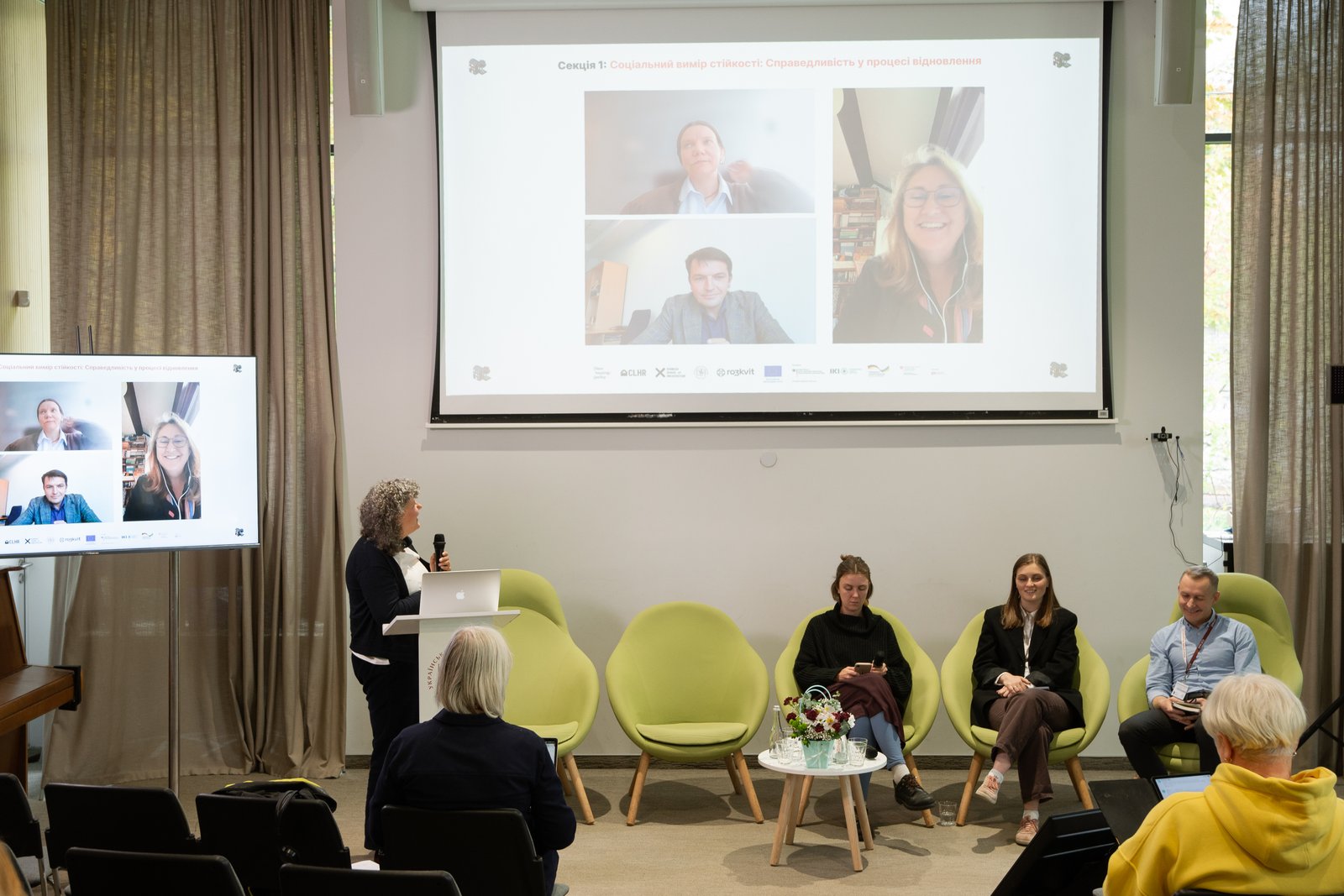
On 16–17 October 2026, the fifth annual symposium “Rebuilding a Place to Call Home: Resilient Cities & Regenerative Neighbourhoods” took place in Lviv, Ukraine. The event brought together 100 architects, urban planners and representatives of government institutions, diplomatic missions, academia and civil society from Ukraine, Germany and other European countries to discuss approaches to sustainable urban recovery and long-term resilience.
The symposium focused on connecting national policies and strategic planning with the needs of local communities, exploring how integrated approaches to urban development can contribute to more resilient, inclusive and climate-friendly cities.
Opening the symposium, Nataliia Kozlovska, Deputy Minister, emphasised the importance of aligning long-term urban development with the realities faced by local communities:
“Future changes must be grounded in the realities that communities face as they are shaping their development today and reach beyond immediate recovery toward long-term resilience and growth. At the same time, I am convinced that lasting solutions can only emerge through genuine dialogue with the people who experience these challenges firsthand. By bringing together policy reform, local communities, experts, and international partners, we create a strong foundation for the sustainable and inclusive development of Ukrainian cities for decades to come.”
Highlighting the role of integrated territorial development in strengthening urban resilience, Rahel Freist-Held, Director of the JGURA project, stated:
“Integrated territorial development is not only a planning tool — it is also a tool for partnership, strategic leadership and more transparent investment decisions. Working at the neighbourhood level, we help support cities that are more resilient, inclusive, climate friendly and responsive to the people who live in them.”
The importance of integrating climate resilience and sustainability into Ukraine's recovery efforts was also emphasised by Martina Kolb, Programme Director of the PROGRESS/EU4ClimateResilience projects:
“Sustainable recovery is inconceivable without resilience, decarbonisation, climate adaptation and barrier-free mobility. EU4ClimateResilience supports Eastern Partnership countries, including Ukraine, in developing effective climate policies and piloting nature-based solutions in EaP municipalities. Our goal is to build back better. Only through collaboration between communities, experts and partners from different countries can we create a better future for Ukraine’s cities and communities.”
Throughout the symposium, participants explored approaches to recovery planning and implementation, from national policy frameworks to neighbourhood-level initiatives. Discussions highlighted the importance of collaboration between policymakers, urban planners, local communities and international partners in supporting a just, inclusive and sustainable green recovery.
The symposium was jointly organised by the Centre for Land and Housing Research at Kharkiv School of Architecture, the School of Public Governance at Ukrainian Catholic University, Ro3kvit: Urban Coalition for Ukraine, and the GIZ Ukraine projects EU4ClimateResilience and JGURA.

Other news

“Our Water, Our Environment” Photography Exhibition Highlights Community-Led Climate Resilience at COP17
As part of the EU4ClimateResilience project, the documentary photography exhibition “Our Water, Our Environment” was presented at the European Union Pavilion in the UN CBD COP17 Green Zone, highlighting the Climate Bridge project and the voices of the Tashir community in Armenia. Through photographs and personal stories, visitors discovered Tashir’s landscapes, the lives of local residents and
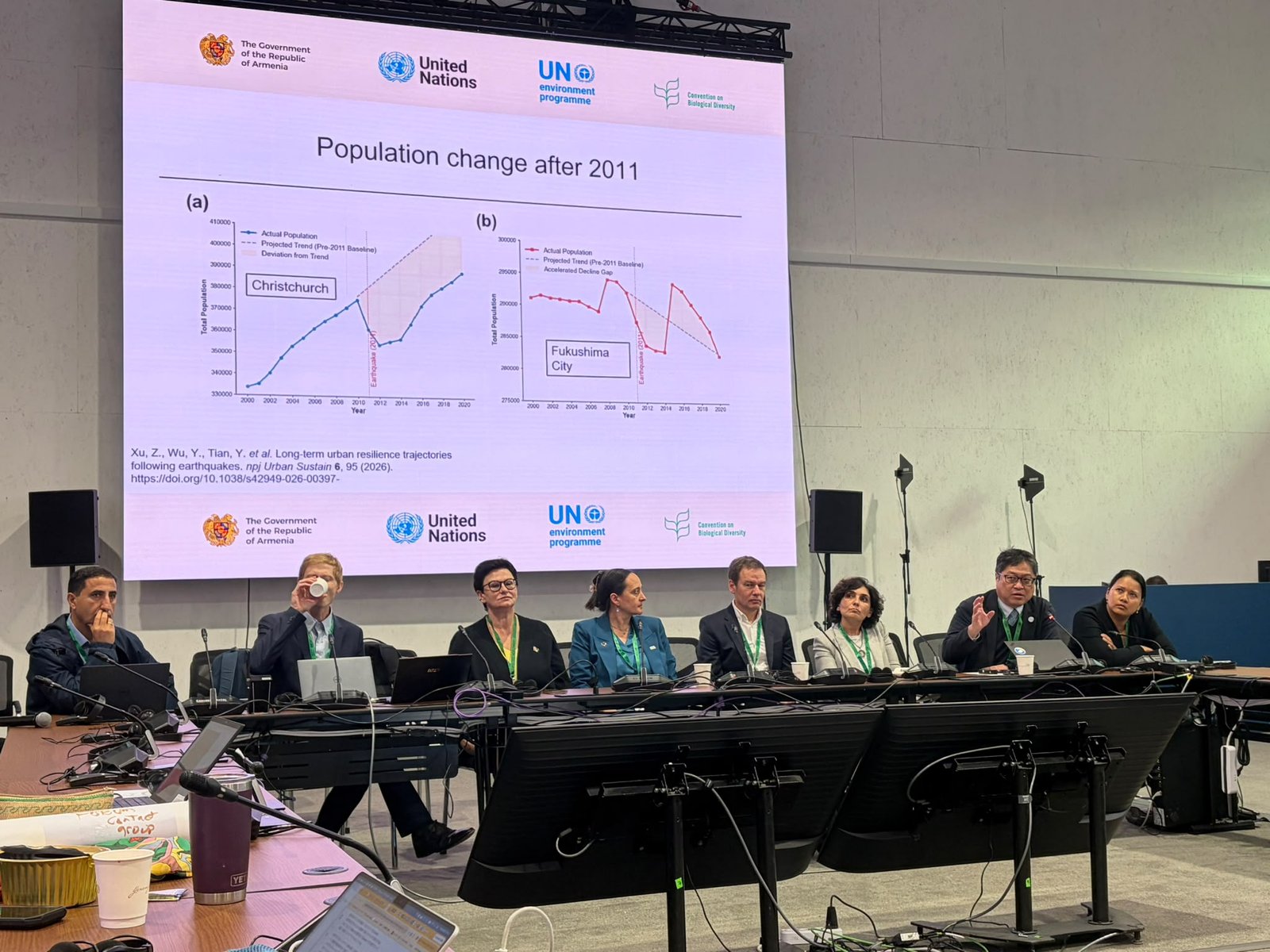
GIZ Shares Armenia’s Experience in Nature-Based Solutions for Resilient Cities at COP17
Within the framework of the 7th Science-Policy Forum for Biodiversity, organised as part of the 17th Conference of the Parties to the Convention on Biological Diversity (COP17), GIZ Armenia contributed to the international session “Nature-Based Recovery for Resilient Cities: Biodiversity, Civic Ecology and Response Diversity in Times of Crisis.” The session, led by the University of Tokyo and c
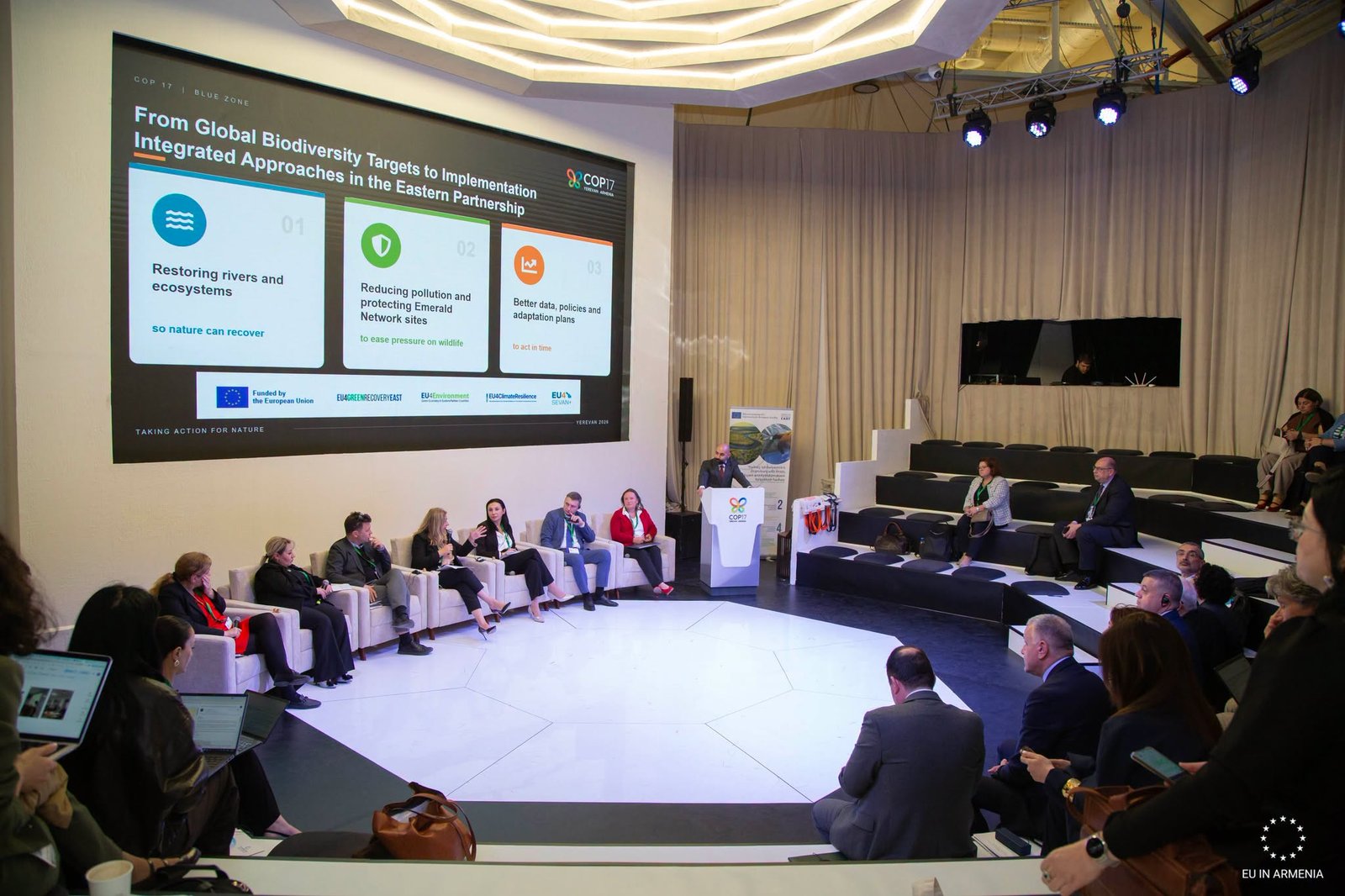
EU4ClimateResilience Joins COP17 Discussion on Biodiversity Protection and Climate Adaptation
On 28 October, the EU4ClimateResilience project joined EU4Green Recovery East, EU4Environment and EU4Sevan+ for a side event at the Armenian Pavilion during COP17 in Yerevan, exploring how global biodiversity targets can be translated into concrete action across Eastern Partnership countries. Jointly organised by the participating projects, the event brought together representatives from Armeni
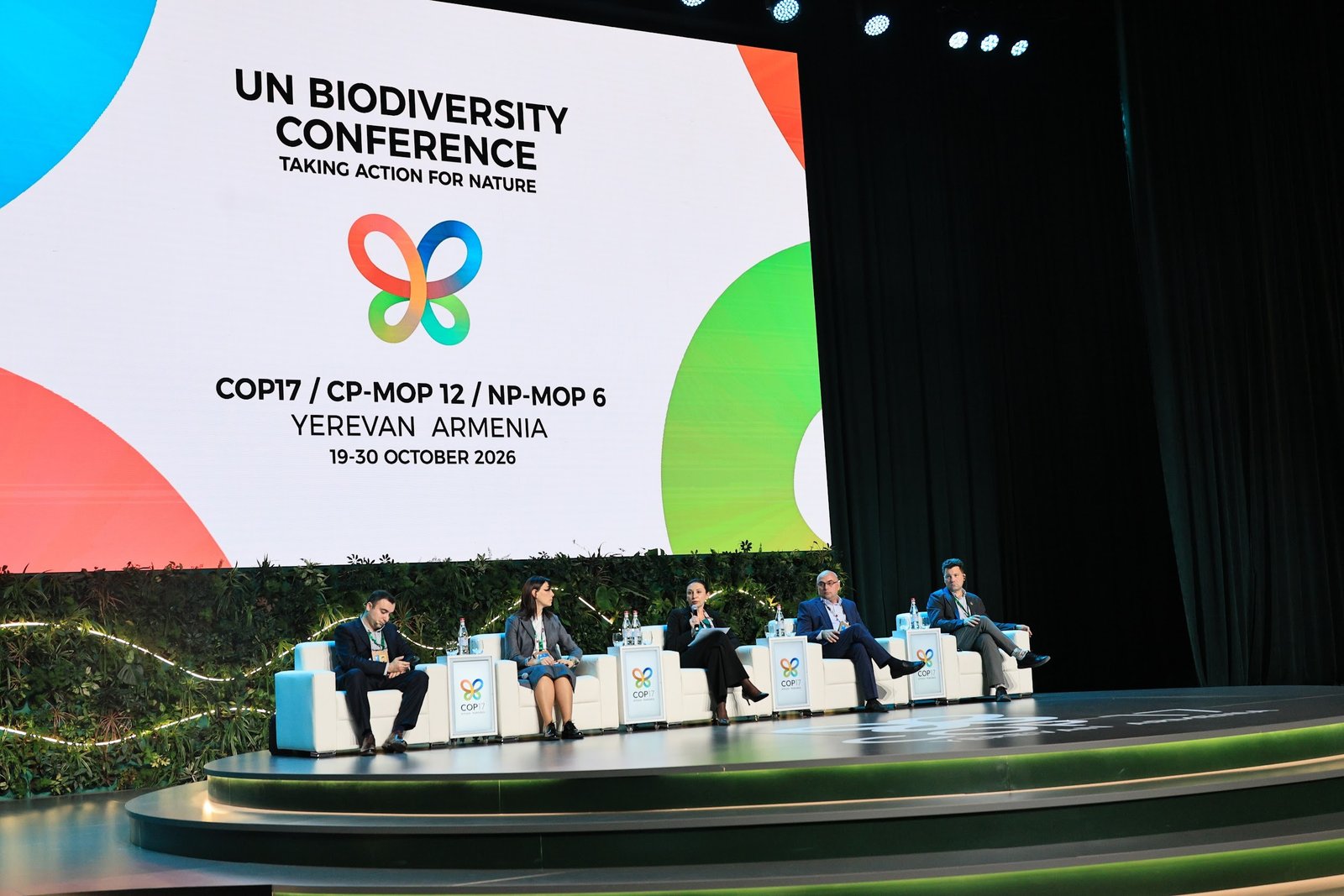
Harnessing the Power of Nature for Climate Resilience: EU4ClimateResilience at COP17 Green Zone
GIZ Armenia, within the framework of the EU4ClimateResilience project, hosted two panel discussions at the COP17 Green Zone under the theme “Operationalizing National Adaptation Plans through Nature-Based Solutions.” Held at the Main Stage of the Karen Demirchyan Sports and Concert Complex in Yerevan, Armenia, the 90-minute session brought together representatives from government institutions,
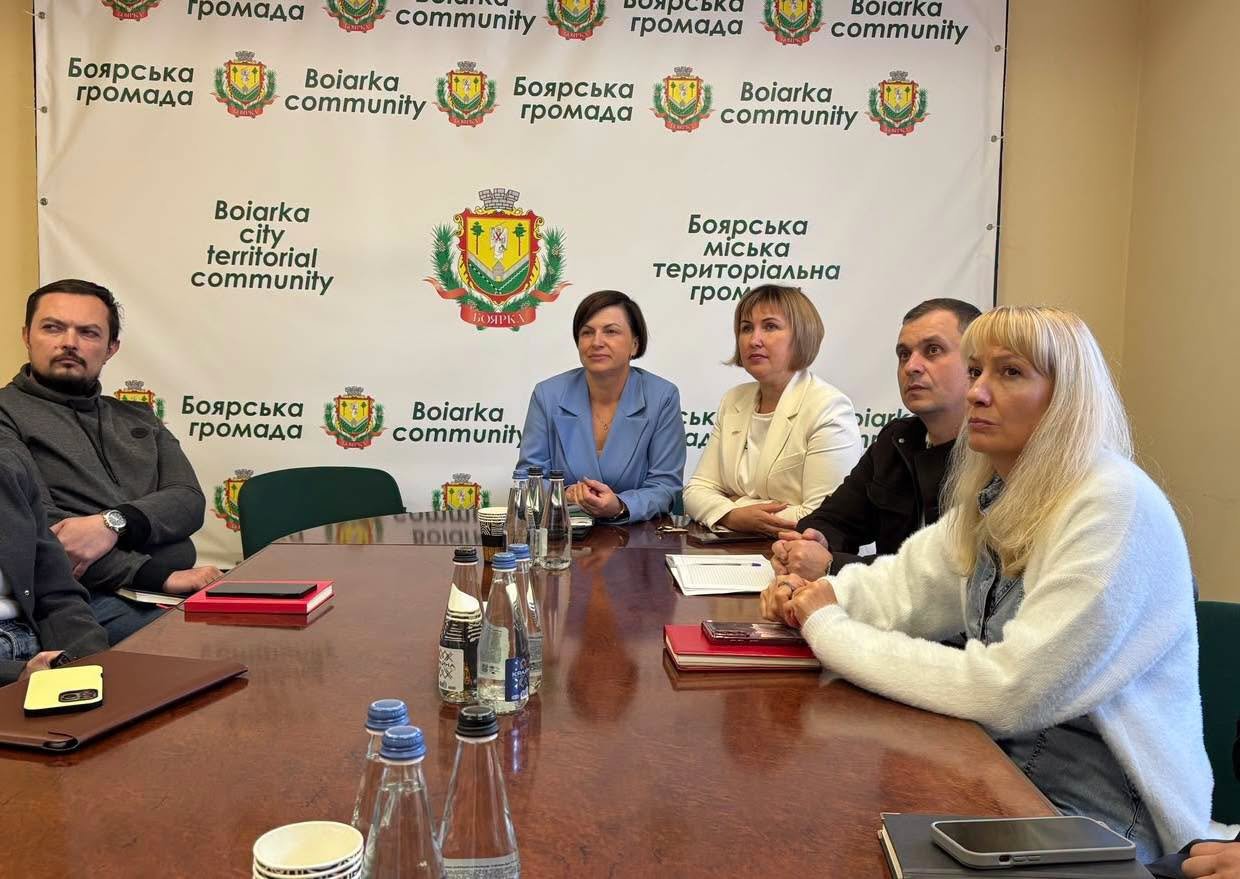
Boiarka Community in Ukraine Hosts Practical Training on Building an Energy Management System
To improve energy efficiency, communities need to understand their own energy consumption. Which buildings consume the most resources? Where do heat losses occur? How can excess consumption be detected in time, and which solutions can be introduced without significant capital investment? These questions were at the centre of the practical training “Building an Energy Management System: Effectiv
Implementing Partners:
Deutsche Gesellschaft für Internationale Zusammenarbeit (GIZ) GmbH and the Organisation for Economic Cooperation and Development (OECD)